
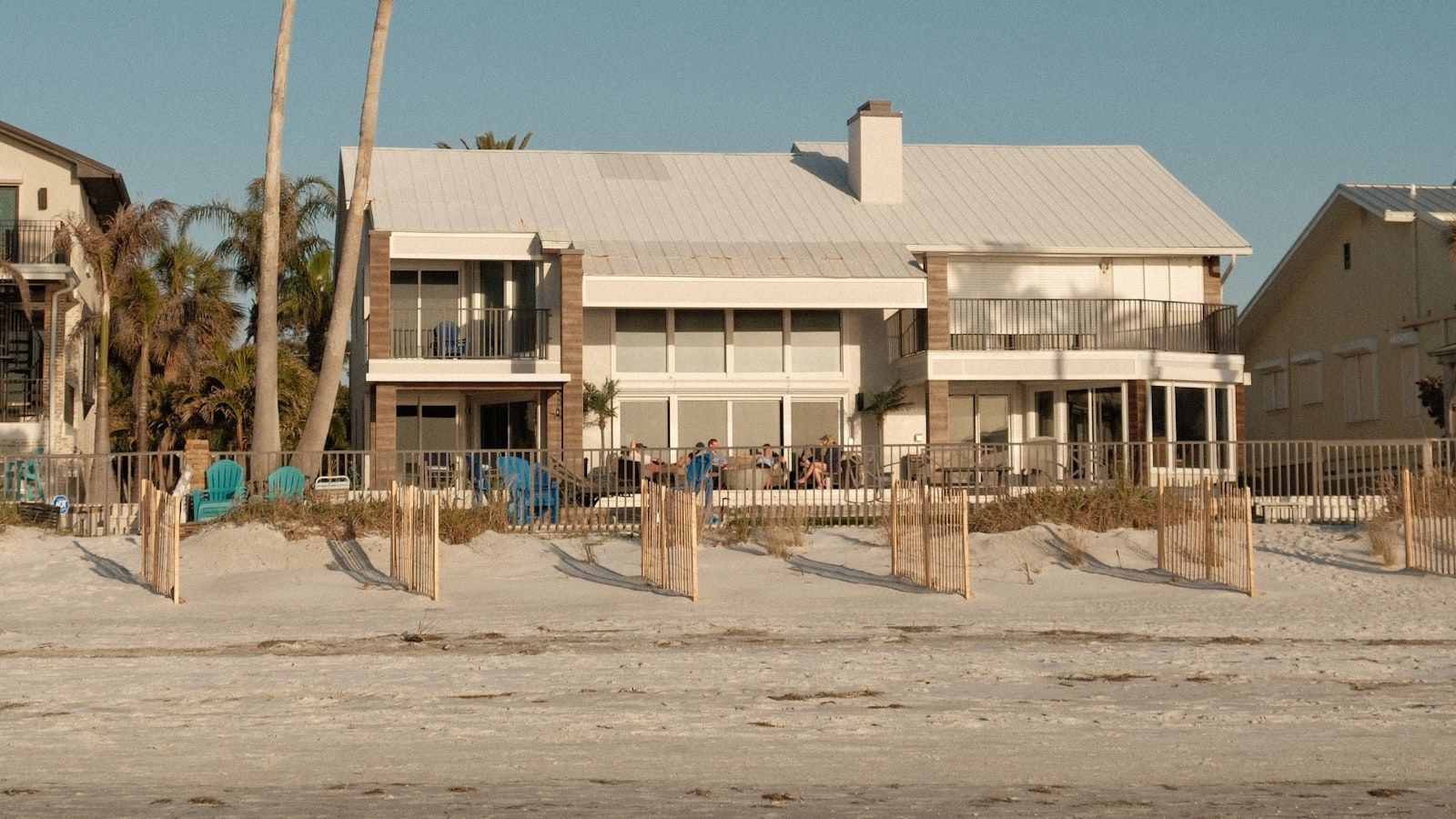
When the Hendersons close up their place off First Coast Highway every April and drive back to Ohio, the last thing Jim does is stand in the driveway and look at the house a second longer than he needs to. He isn't being sentimental. He's wondering what he forgot.
That feeling is the whole reason this guide exists. Owning a second home on Amelia Island is one of the better decisions a lot of snowbirds make, and for a few weeks twice a year it's also a low hum of worry about a building sitting empty in one of the more humid, storm-prone corners of Florida. The good news is that the worry is manageable. It comes down to treating the year as three phases instead of one frantic checklist: the leaving, the empty months, and the coming back. Handle each one deliberately and the house mostly takes care of itself.
This is the version we'd walk a new seasonal owner through on Amelia Island, whether your place is a condo in Amelia Island Plantation, a beach house near Summer Beach, or a downtown home a few blocks off Centre Street in Fernandina Beach.
The two hardest days are the one you leave and the one you come back
Almost everything that goes wrong with a seasonal home clusters around those two days. You leave in a hurry and skip the small stuff that prevents big problems. You come back to a hot house, a musty smell, and a fridge you have to deal with before you've even unpacked. Both are fixable, and neither has to be your job.
The trap most snowbirds fall into is thinking of the house as either "occupied" or "closed," as if those are the only two states. A second home on a barrier island actually spends most of the year in a third state: closed, but slowly changing. Humidity climbs. Salt settles on the east-facing walls. A seal fails on a window nobody's looking at. The owners who do this well aren't the ones with the longest departure checklist. They're the ones who plan for that quiet middle stretch.
So think in three phases. Get the leaving right so the house starts the summer in good shape. Cover the empty months so a small problem gets caught while it's still small. Set up the return so coming back feels like a vacation and not a work order. The rest of this guide is those three phases in order.
Closing up: the version that prevents the February phone call
The pre-departure walkthrough is where you buy yourself a quiet summer, and it's the part most owners already have some system for. The short version: set the AC to hold humidity, shut off the main water supply, empty and prop the fridge, seal food against pests, hold or forward your mail, and arm your security. Start two weeks out, not the morning you leave. We keep a full room-by-room version in our pre-departure checklist for leaving your Florida home for the summer, so this is the logic behind the big ones rather than a repeat of the list.
Water is the risk that does the most damage for the least warning. A supply line to a toilet or a washing machine can let go while you're a thousand miles away, and a slow leak runs for weeks before anyone notices. Shutting the main water off at departure removes most of that exposure in one move. If your irrigation or ice maker needs a line left live, isolate everything else.
Humidity is the slower, sneakier threat. Amelia Island sits in high humidity for months, and a sealed house with the AC off becomes a greenhouse. The EPA is blunt about it: keep indoor humidity down and you keep mold from getting a foothold. That's why you don't switch the AC off when you leave. You set it to hold, usually somewhere around 78 to 80 degrees, and let it run enough to keep the moisture in check. We get into the exact reasoning in what temperature to set your AC when away in Florida and how to prevent mold in a closed-up Florida home.
One more thing worth doing before you go: call your insurance agent. A long vacancy can change how a homeowners policy responds to a claim, and flood is always a separate policy. We cover the specifics in does home insurance cover a vacant house. Five minutes on the phone in April beats a coverage surprise in September.
The empty months are when Amelia does its quiet damage
Here's the part the departure checklist can't solve on its own. A checklist is a snapshot. It captures the house in good shape on the day you leave. It does nothing about week six, when a capacitor fails and the AC that was holding your humidity quietly stops. It does nothing about the afternoon a summer storm drops a limb on the screen enclosure, or the morning a sensor trips at 2 a.m. and the monitoring company calls a number that goes to voicemail in another time zone.
The empty months are exactly when a closed house on the island is most exposed and least watched. Northeast Florida summers run hot and wet, hurricane season stretches from June through November, and salt air keeps working on the exterior the entire time you're gone. The closer your home sits to the Atlantic, on Fletcher Avenue or near Main Beach, the faster all of it moves.
This is the case for home watch, and it's a different service than most people assume. Nobody lives in the house. A home watch professional visits on a schedule, walks the interior and exterior looking for the specific ways a closed house fails, water intrusion, humidity, pests, HVAC and electrical trouble, storm damage, security issues, and sends a documented report after each visit. If you're weighing it against a friend staying over, home watch versus a house sitter lays out the difference, and what a home watch visit includes walks through an actual check.
The reason scheduled eyes matter so much is speed. A leak found in week two is a mop and a fan. The same leak found in October is a mold remediation and a flooring bill. Consistent visits turn the invisible slow failures into same-week fixes, and the report trail also helps if you ever need to show an insurer the house was maintained.
Watching is only half of it, though. When something's found, someone has to open the door. That's what a keyholder is for: a named local contact who can meet an HVAC tech or a plumber the same week instead of the same season, and who actually responds when the alarm trips at 2 a.m. A monitoring system that dials a homeowner five states away and gets voicemail doesn't do much. What a keyholder service is covers how that piece works. Pair it with steady mail and package pickup so an overflowing mailbox isn't broadcasting that the house is empty, which is also the single most effective security move a seasonal owner can make, as we cover in home security for seasonal residents.
And then there's the season everyone on the island plans around. If a storm is forecast while you're away, remote hurricane prep is its own discipline: getting the property secured, the patio furniture in, the shutters up, and a real person on the ground before and after. Our hurricane season preparation guide is the full playbook, and hurricane prep is how we handle it for owners who can't fly back for every warning.
Coming back should feel like a vacation, not a work order
The return is the phase almost nobody plans for, and it's the one that shapes how you feel about the whole arrangement. Picture the two versions.
In the first, you land, drive over, and open a house that's been sealed at 80 degrees. It's warm and a little stale. The AC has to claw the temperature and humidity down over the next several hours while you wait. The fridge is empty. There's a faint musty note in the back bedroom you'll spend the evening chasing instead of walking down to the beach. Your first day back on Amelia Island is a chore list.
In the second, someone opened the house a day ahead. The AC has been running down to a comfortable temperature since yesterday. The windows got aired out, the water's back on and checked, the fridge has the basics, and the place smells like your house instead of a closed one. You walk in, drop your bags, and you're on vacation. That's the difference an arrival visit makes, and it's the part of concierge service snowbirds tend to value most once they've felt both versions. Our overview of what a home concierge service does gets into the range of it.
The return is also when the season's damage becomes visible if nobody was watching. Owners who ran home watch through the summer already know the state of the house before they arrive, because they've been getting reports the whole time. Owners who didn't sometimes spend the first week back discovering what four or five months of Amelia summer did to an unwatched building. The arrival experience and the empty-months coverage are really the same decision seen from two ends.
What it actually costs to do this from a distance
Snowbirds usually run through three options for the months away, and it's worth being honest about where each one breaks.
- Do it yourself remotely. Cheapest in dollars, most expensive in attention. It works right up until the week something fails and you're too far away to see it. The failure isn't the checklist; it's the gap between visits that nobody's covering.
- Lean on a neighbor or friend. Generous of them, and fine for bringing in a package or a quick look. But most aren't trained to spot a humidity trend or a slow leak, aren't insured or bonded if something goes wrong, and understandably don't want to be the one you call from Ohio when the alarm sounds at 2 a.m.
- A documented local service. Home watch, a keyholder, mail pickup, and a concierge arrival, priced against what a single missed leak or mold remediation costs. For most seasonal owners the math isn't really about the monthly fee. It's about which version of the February phone call you want: the one where someone already caught it, or the one where you're booking a flight.
None of this is about doing more. It's about the house being watched during the one stretch of the year you can't watch it yourself, and coming home to a place that's ready for you.
Bringing it back to the driveway
Jim's second-longer look in the driveway is really a question: is the house going to be okay while I'm gone? The answer isn't a longer checklist. It's a plan for all three phases, especially the empty middle one where a snapshot can't help you. Close it up right, have someone local watching it through the summer, and set up the return so your first day back is spent at the beach instead of the utility closet.
If you'd rather hand off the empty months than worry through them, that's exactly what we do for seasonal owners across Amelia Island. Learn about home watch or get in touch and we'll build a plan around your specific house and your travel calendar.