
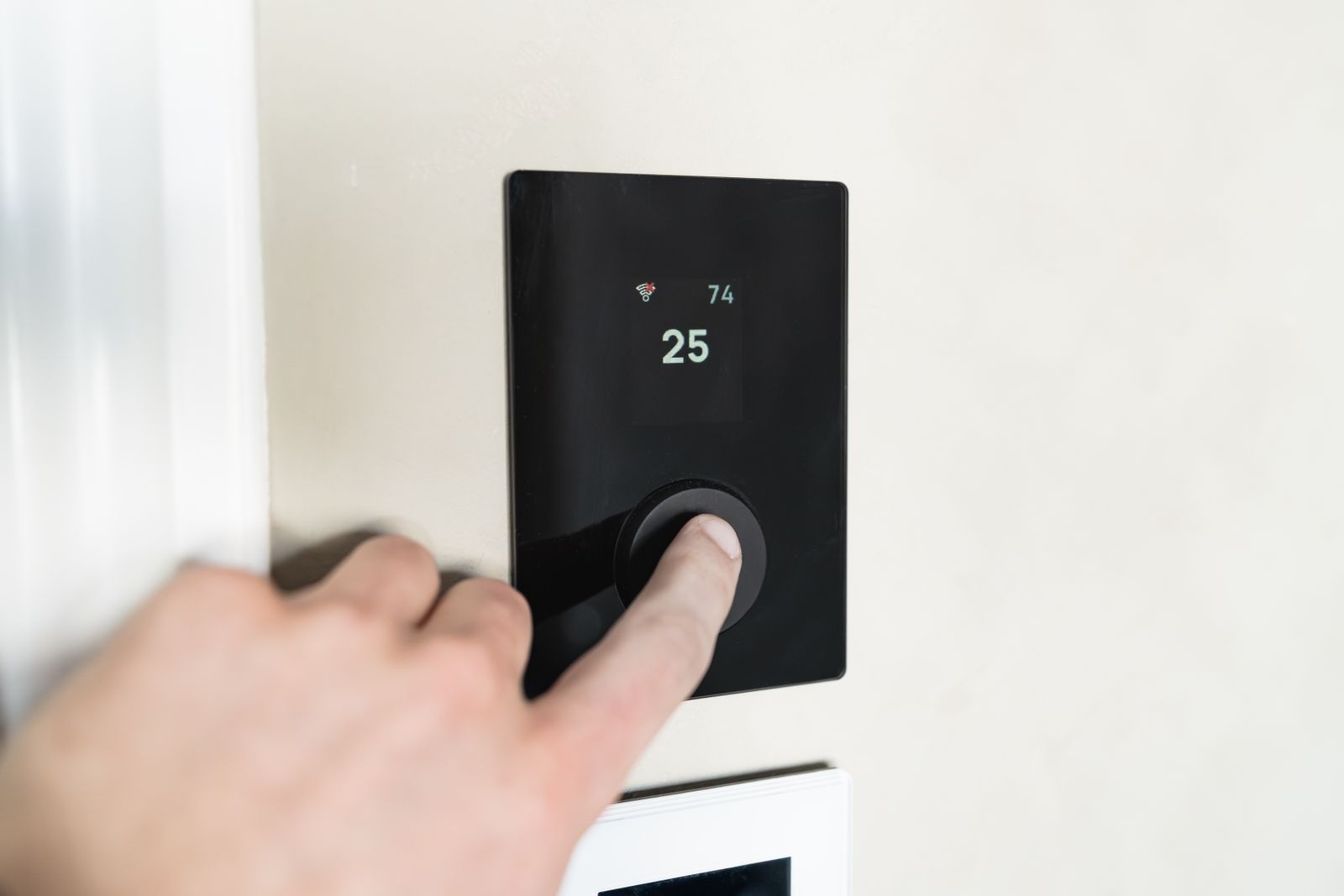
Keep indoor humidity below 60 percent. The EPA says controlling moisture is the key to mold control and recommends indoor relative humidity below 60 percent, ideally 30 to 50 percent. In a closed Florida home, that means running the AC or a dehumidifier, fixing leaks fast, and having someone check the interior on a schedule so a small problem doesn't sit for months.
Mold is the most common thing that goes wrong in a Florida house left empty for the season, and it's almost always avoidable. It isn't bad luck. It's the predictable result of warm, damp, still air sitting undisturbed. Take away the moisture and you take away the mold. Here's how that plays out in a house nobody's living in.
Why closed Florida homes grow mold
Mold spores are already in every house, everywhere, all the time. They don't do anything until they get water. The EPA puts it simply: the key to mold control is moisture control. Give spores a damp surface and they turn into a colony. Keep surfaces dry and they stay dormant.
A closed Florida home in summer is a moisture machine if you let it be. Outdoor humidity is high for months, the AC isn't being run the way it is when you're home, and there's no one opening doors, running the dryer's makeup air, or noticing the closet that smells a little off. The house doesn't need a dramatic leak to grow mold. Ambient humidity alone will do it.
Humidity is the lever
If you manage one number, manage this one. The EPA recommends keeping indoor relative humidity below 60 percent, and ideally between 30 and 50 percent, because relative humidity above 60 percent leads to condensation and mold growth. That's the whole target.
Hitting it in an empty house comes down to a few things working together. Keep the AC running at a moderate setpoint so it cycles and dehumidifies. Add a dehumidifier in closets, laundry rooms, and any space the AC doesn't reach, ideally one plumbed to a drain so it doesn't fill a tank and shut off. The EPA specifically recommends using air conditioners and dehumidifiers to keep humidity down. A cheap hygrometer, or a smart thermostat that reports humidity, tells you whether the plan is actually working.
Set the thermostat, but watch the humidity
Temperature and humidity are related, but humidity is the one that decides whether you come home to mold. Don't turn the AC off to save money. A moderate setting keeps the system cycling and pulling moisture from the air, which a fully off system can't do. We break down the exact approach in what temperature to set your AC when away in Florida.
The failure mode to plan for is the AC quitting while you're gone. A tripped breaker or a clogged condensate line can stop the system in June, and from there the house heats and dampens for weeks. A smart thermostat with high-humidity and high-temperature alerts turns that silent failure into a phone notification the day it happens.
Leaks: the other half of the equation
Humidity is the slow route to mold. A leak is the fast one. A dripping supply line, a failed water heater, a roof leak from a summer storm, or a backed-up drain puts liquid water on materials, and that's a different order of problem.
The EPA's guidance is to fix plumbing leaks and other water problems as soon as possible and dry everything completely. In an occupied house you'd catch a leak in a day. In an empty one it can run for weeks before anyone sees it, which is exactly why the small drip you noticed before leaving is worth fixing before you go, not after. Shut off the main water supply if you can, and put leak sensors near the water heater, under sinks, and by the washer.
Why 24 to 48 hours is the whole game
This is the number that explains the urgency. The EPA states that if wet materials are dried within 24 to 48 hours of a leak or spill, in most cases mold will not grow. FEMA says the same thing from the disaster side: mold can form within 48 hours, and wet carpeting, furniture, and bedding can develop mold within 24 to 48 hours, which is why speed is the entire strategy after water gets in.
Sit with what that means for a house checked once a season. If a leak starts the week after you leave and nobody sees it for two months, that 24-to-48-hour window closed the first weekend. The materials are long past saving, and the mold has had eight weeks to spread. The difference between a quick dry-out and a remediation project is almost entirely how fast someone finds the water.
Periodic interior checks catch it early
That's why regular interior checks are the real mold defense, not any single gadget. A humidistat and leak sensors are worth having, but they alert you to a problem you still can't physically address from another state. Someone has to walk in, see the puddle, and start the drying, and they have to do it inside that 24-to-48-hour window as often as the calendar allows.
Regular home watch visits are built for exactly this. Interior and exterior checks on a schedule, with a report after each one, means a rising humidity reading, a musty closet, or the start of a leak gets flagged while it's still small. When it's time to run a dehumidifier hard, get an HVAC tech in, or dry out a wet area, a local keyholder can open the door for the vendor the same week instead of the same season. For owners in Old Town and other neighborhoods with older housing stock, where moisture finds its way in through details a newer build wouldn't have, that steady set of eyes is what keeps a closed-up summer from becoming an autumn remediation bill.
Prevention here isn't one heroic step. It's humidity held low, the AC kept running, leaks fixed fast, and someone checking the interior often enough to beat the 48-hour clock. Learn about home watch or get in touch and we'll set up a schedule that fits how long your house sits empty.