
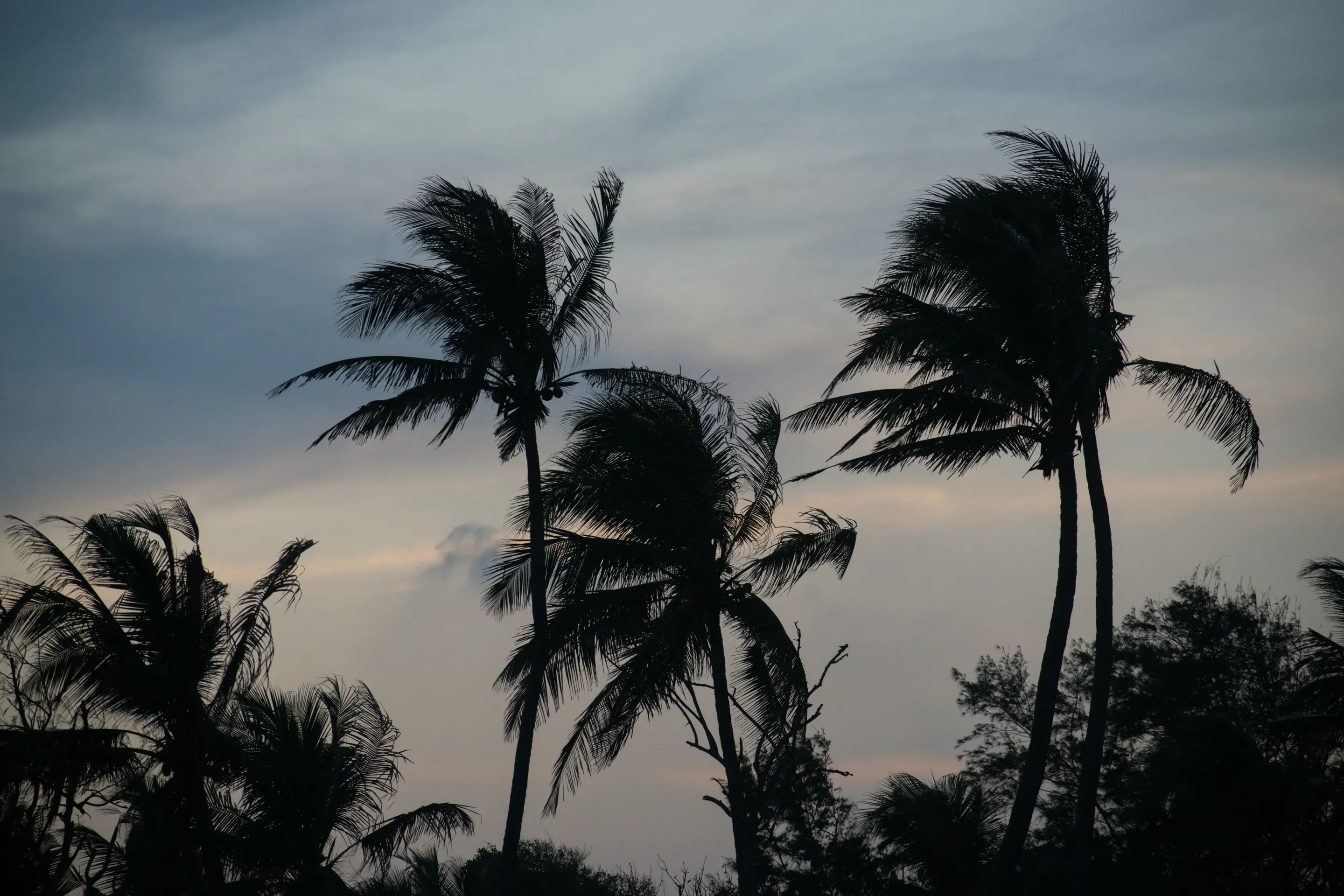
If you own a home on Amelia Island, hurricane season isn't something you prep for in the abstract. The Atlantic season runs from June 1 through November 30, which is roughly half the year, and every one of those months your house is either getting ready for a storm, riding one out, or recovering from the last one. Treating preparation as an annual checklist instead of a panic drill is the difference between a property that rides out the season well and one that plays catch-up after every event.
Amelia Island is a barrier island. That's the whole story, really. The same geography that puts you close enough to the Atlantic to hear it at night is the same geography that puts your property in the path of storm surge, high wind, and everything that comes with both. None of that is a reason to own somewhere else. It's a reason to plan.
The annual pre-season checklist
The first serious work happens in May. By then, forecasts for the coming season are out, the National Hurricane Center has started its annual outlook, and there's still time to get ahead of any late-season backlog with vendors. The goal is to have every system, every shutter, every piece of outdoor gear ready before the first named storm gets anywhere near the Gulf.
Start with the building envelope. Walk the roof or have someone walk it. Look for loose shingles, lifted flashing, failed caulk around vents, and anything that wasn't there last year. A roof that's already compromised in May will be a roof that fails in August. The same walk should cover siding, window seals, garage door tracks, and soffit vents. A hurricane doesn't need much of an opening to pressurize an attic and peel a roof off.
Shutters come next. Whether your house has accordion, roll-down, panel, or plywood backups, inventory them, test them, and confirm every bracket and fastener is present and functional. Plywood that's sat in a garage for three years will have warped enough that it won't sit flat over a window anymore. Accordion tracks that haven't been lubricated will seize when a storm is three days out and you need them closed.
Generators belong on the same checklist. Exercise the unit under load. Confirm fuel storage is topped off and rotated. Order any spare parts before they're on back-order across the state.
Wind, water, and what actually does the damage
Most homeowners picture hurricane damage as wind peeling off a roof. It happens, but it's not the most common failure mode on this stretch of coast. Water is. A roof that stays on but leaks around a lifted flashing will cause more interior damage than a single missing shingle. An improperly-sealed window will push water into the wall cavity and seed a mold problem that doesn't show itself until the next humid stretch. Storm surge on Fletcher Avenue and Main Beach properties is a direct threat, but the indirect water threat applies to every house on the island.
Trees are the other thing. Amelia Island's live oaks are beautiful and they drop limbs in high wind. A limb that's dead or dying in May is a limb that will come down in September. Any significant tree work needs to go through Fernandina Beach's permitting process for protected species, which takes time, so don't wait until a watch is posted to call an arborist.
Documentation before the storm
If a claim ends up being necessary, the single most valuable thing you can have is a timestamped photo record of your property taken within days of the storm. Every elevation, every room, every major system. It's the evidence that proves what the house looked like before the event.
This part tends to get skipped because it's tedious and doesn't feel urgent until after. Schedule it as part of the pre-season checklist. Walk the whole property, take photos of each wall, each roof line, each elevation, each room, and any high-value interior details (flooring, cabinetry, built-ins, artwork). Back it up off-site, not just on the phone.
What to do when a storm is in the forecast
Once a named storm enters the Gulf or the Atlantic track threatens the southeast coast, the window for last-minute work starts closing. Fuel lines get long. Vendors stop taking new jobs. Gas and water get harder to find. The homes that ride out the storm well are the ones whose prep was done before any of this started.
The 48-to-72-hour window before landfall is for finishing touches and securing the property:
- Install or close shutters on every opening
- Bring every piece of outdoor furniture, every planter, every grill, and every loose outdoor item inside
- Secure pool equipment and drop pool water levels if local guidance calls for it
- Top off generator fuel and check tanks on standby units
- Secure important documents and valuables; elevate anything in a ground-floor area at risk of surge
- Confirm insurance contact information, policy numbers, and adjuster procedures
If an evacuation order is issued for Nassau County, follow it. The A1A corridor is the main artery off the island, and it doesn't stay open indefinitely. Nassau County Emergency Management publishes real-time guidance during active storms; that's the source to check, not social media.
After the storm
The first rule after a storm is don't come back before it's safe. Flooded roads, downed power lines, and unstable structures are all reasons the island is held closed for a period after landfall. Emergency management reopens access when it's safe to move.
Once you're back, the job is assessment. Walk the whole property. Take photos of everything that's changed since your pre-season baseline. If there's water intrusion, get eyes on it quickly; the first 48 hours are the window where drying out can prevent mold. If there's structural damage or a tree down on the structure, prioritize tarping, shoring, and keeping people out of the affected area until a professional can assess.
For homeowners who aren't on the island year-round, same-day post-storm walkthroughs are the single most important thing hurricane preparation can deliver. A claims adjuster showing up two weeks after a storm is less useful than photos taken the day the island reopened.
The habits that actually matter
Hurricane preparation on a barrier island isn't a thing you do in October. It's a set of habits that run all year: tree work in the spring, roof checks in May, shutter and generator service before the season starts, and documentation updated whenever anything major changes. Paired with a watchful eye on the forecast and a plan for what happens when a storm is called, those habits are what make the difference between a house that handles the season and one that doesn't. For seasonal residents who split time between states, layering a home watch relationship over the annual checklist means someone is on the island when you can't be, which is exactly when it matters most.