
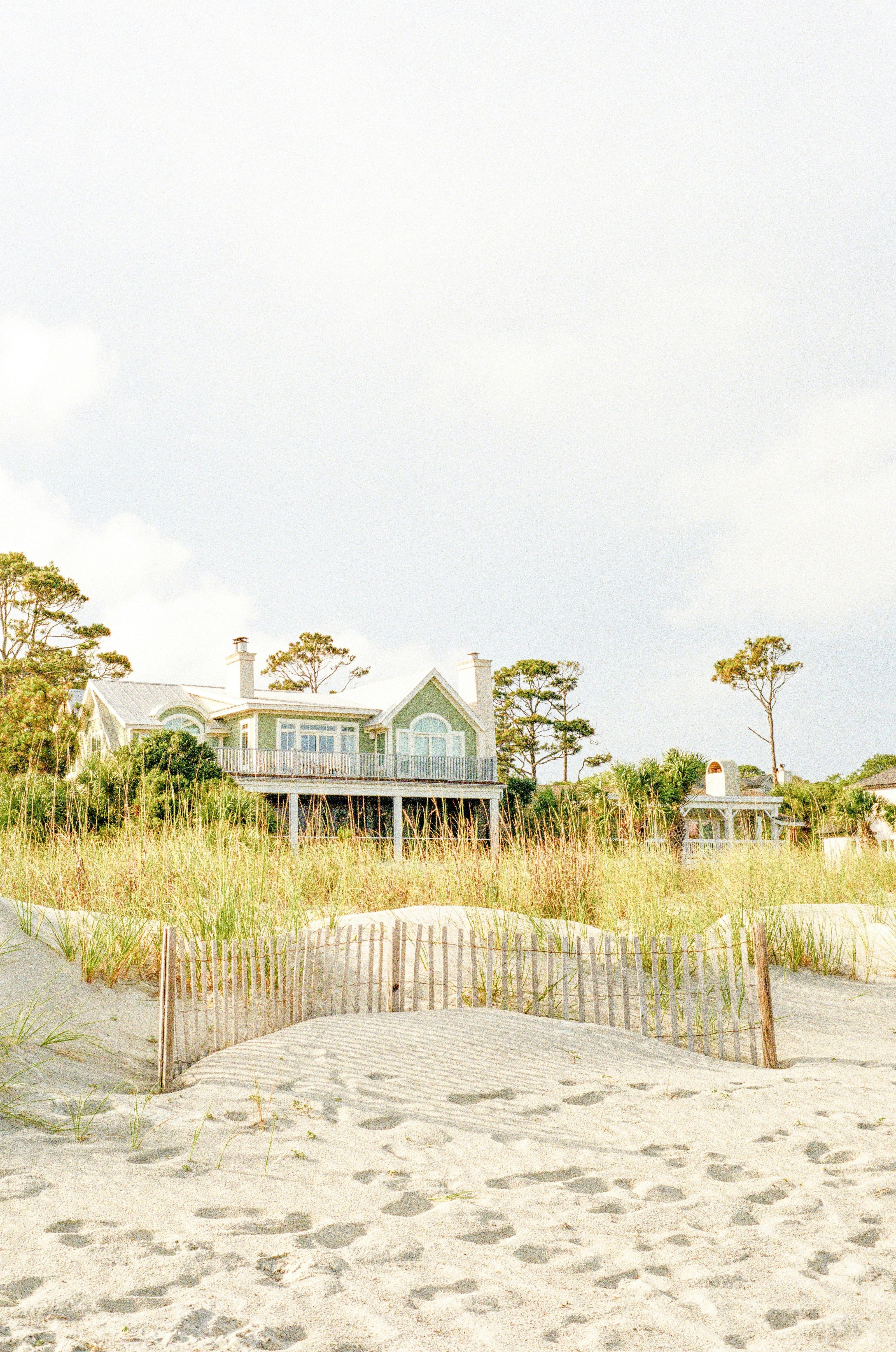
The difference comes down to one thing: a house sitter lives in your home while you're away, and a home watch professional does not. A sitter stays overnight and handles day-to-day living, like feeding a pet, watering plants, and bringing in the mail. Home watch is a scheduled inspection service, where a professional visits your empty house on a set rhythm, checks it inside and out, and sends a documented report. Which one you need depends on whether your real worry is daily tasks or the slow, invisible failures that damage a closed-up house.
Both have a place. The mistake is assuming they do the same job, because they don't, and picking the wrong one leaves a real gap in how your home is looked after.
What a house sitter does
A house sitter is someone, often a friend, a neighbor, or a hired individual, who stays in your home so it isn't empty. Their value is presence and daily upkeep. They keep the lights on and a car in the driveway, care for a pet that couldn't travel with you, water the garden, and keep the place looking lived-in.
That presence is genuinely useful for some situations. If your main concern is a pet, a garden, or the simple appearance of an occupied house, a sitter answers it. What a sitter usually isn't is trained to spot the early signs of a building problem, and most aren't insured or bonded to handle it if something goes wrong. A sitter watching TV in the living room may never notice the humidity creeping up in a back closet or a slow leak under a guest bath sink.
What home watch does
Home watch is a professional service built around inspection, not occupancy. Nobody lives in your home. Instead, a home watch professional visits on a schedule, usually weekly or every couple of weeks, and walks the property looking for trouble: water intrusion, humidity and the mold that follows it, pest activity, HVAC and electrical issues, storm damage, and security problems. After each visit you get a report, typically with photos and a timestamp, so you know the house was checked and exactly what was found.
The National Home Watch Association describes home watch as a visual inspection of a home or property on a regular basis, looking for obvious issues. The point isn't to live in the house. It's to catch the small problem while it's still small. In Florida that matters more than most places, because the EPA is direct that mold control is moisture control, and a closed, un-monitored house here can drift past safe humidity within days.
The real difference: living in versus checking on
Here's the distinction that actually decides it. A house sitter gives you a person in the home. Home watch gives you a documented set of eyes on the home's condition. Those solve different problems.
A sitter is about the day-to-day: the pet gets fed, the plants get watered, the house looks occupied. Home watch is about the structure and systems: the AC is still holding humidity, no water is where it shouldn't be, no pests have moved in, the roof survived the last storm. If your house sits empty for months and your worry is what quietly goes wrong inside it, a nightly presence doesn't help unless that person is trained to look for it and accountable for reporting it.
Which one fits an Amelia Island second home
For most seasonal and second-home owners on the island, home watch is the better fit, and often the only piece they truly need. The homes here tend to sit empty through the summer or the shoulder seasons, there's rarely a pet or garden that requires a live-in caretaker, and the risks that do real damage are the slow ones: humidity, leaks, storm impact, pests. Those are precisely what a scheduled, documented inspection is designed to catch.
A house sitter makes more sense when there's a specific daily need, like a pet that can't travel or a large garden, or when you want the house visibly occupied for a defined stretch. Some owners even pair the two: a sitter for a two-week gap with a pet, and home watch as the year-round baseline for everything else.
For owners around Fernandina Beach and the beaches who leave for months at a time, the practical answer is usually a regular home watch schedule, with someone physically walking the property so a leak gets found in week two instead of October.
What about property management and keyholding?
Two other services sit nearby, and it helps to know where they fit. Property management is the fuller version of home watch: everything home watch does, plus actively running the repairs, vendors, and projects your home needs. A keyholder service is the access piece, for letting in the contractors and deliveries you approve and answering the alarm company. Home watch finds the problem; a keyholder or property manager gets it fixed.
You're not boxed into one choice. Plenty of owners start with home watch and add the rest as needs come up.
Trying to figure out what your house actually needs while you're away? Learn about home watch or get in touch and we'll build a plan around how you use the home.