
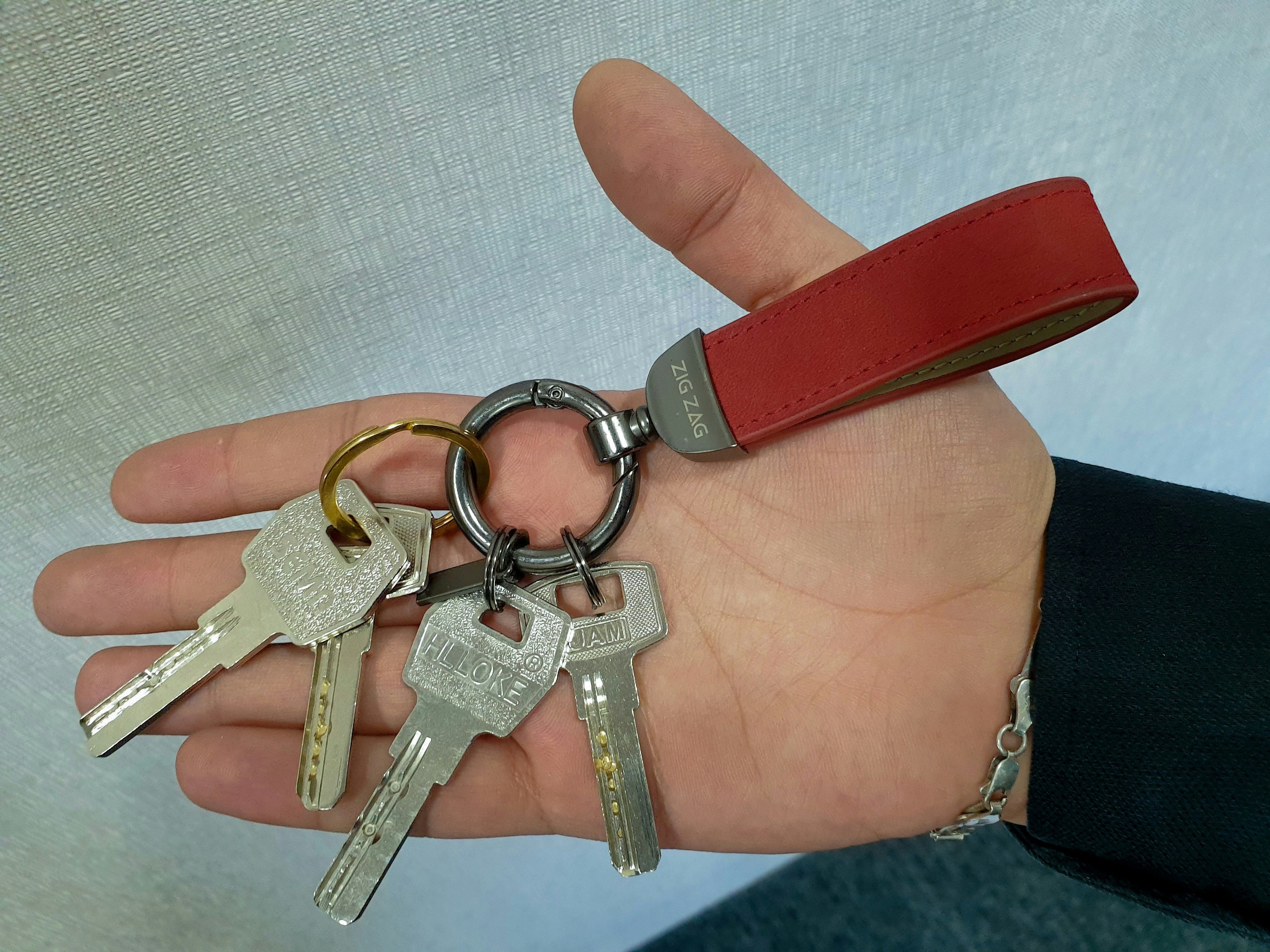
A keyholder service is a local company or person you trust to hold a secure copy of your key, fob, or gate code and use it on your behalf while you're away. That means letting in the contractors and deliveries you approve, responding when your alarm company calls, and confirming the house is locked and the alarm is set before anyone leaves. For a home that sits empty for months, a keyholder is the difference between a problem that gets handled the same afternoon and one that waits until your next visit.
If you own a second home in Fernandina Beach on Amelia Island and spend part of the year somewhere else, this is one of the quieter pieces of looking after the place. It rarely comes up until you need it: a plumber can come Thursday but you're in Ohio, a delivery needs someone inside, or the alarm trips at 2 a.m. and the monitoring company has no local name to call. A keyholder is who you name for exactly those moments.
What a keyholder actually does
At its simplest, a keyholder stores your key securely and provides access only when you ask for it. The work falls into a few clear buckets:
- Contractor and vendor access. You approve the HVAC tech, the plumber, the pest service, or the painter, and the keyholder meets them, lets them in, keeps an eye on the work when it matters, and locks up afterward.
- Deliveries and large items. Furniture, appliances, and anything that can't sit on a porch in the salt air gets accepted and placed inside.
- Alarm and emergency response. When a sensor trips, the monitoring company calls the keyholder, who goes to the property, sorts a real event from a false alarm, and reports back.
- Guest and lockout access. Family arriving for a weekend, or you locking yourself out on your first day back, both get handled without a hidden key under the mat.
Every one of those visits should be logged with a date, a time, and a reason, so there's never a question of who was in your home or when.
How a keyholder is different from leaving a key with a neighbor
Plenty of owners start by handing a spare key to a neighbor, and for a short trip that can be fine. The trouble is what it asks of that neighbor over a long absence. Meeting a contractor means blocking out a morning. Answering an alarm means getting up in the middle of the night. Accepting a delivery means being home when the truck shows up. It's a real imposition, and it tends to fade right when you need it most.
A keyholder service turns that favor into a documented arrangement. The key lives in a locked, coded system tied only to your property, not on a hook in someone's kitchen. Access happens on your approval and gets recorded. And the response is a job, not a favor, so it actually happens on a Tuesday in July the same way it would in season.
Who needs a keyholder on Amelia Island
You're a strong candidate for a keyholder if any of these describe your situation:
- You're a snowbird or seasonal owner and the house sits empty for weeks or months at a stretch.
- You're managing a renovation or repairs remotely and the trades need a way in on the day the work is scheduled.
- Your home has a monitored alarm and no local contact on the call list.
- You rent the home part of the year and need cleaners, guests, or vendors let in between your own visits.
- Your property is behind a gate or in a community like Amelia Island Plantation, where even approved vendors need someone to get them through the gate and open the door.
What happens when the alarm goes off
This is the scenario most owners underestimate. An alarm that dials a homeowner five states away and reaches voicemail accomplishes very little. When you list a local keyholder as your contact, the monitoring company calls them, they go to the property, and they work out whether it's a real event or a tripped sensor. From there they coordinate with police or a vendor if it's needed and give you a clear picture instead of a missed call and a long worry. The same local response covers a storm, a neighbor's concern, or a utility shutoff.
How to know a keyholder you can trust
Not every arrangement is created equal, and the things that matter most are the ones you can actually verify. Before you hand over a key, look for:
- Secure, coded key storage. Your key, fob, and gate code should live in a locked system tied to your property, never mailed across the country or left in a lockbox by the door.
- A logged entry for every visit. Ask to see how they document access. A real service can show you a timestamped record of who came, when, and why.
- Local and responsive. The whole point is someone nearby who can be at the house quickly. Ask how fast they respond to an alarm and how they handle after-hours calls.
- Clear communication. You should hear what happened after a visit, ideally with a note or photos, not silence.
- You approve every entry. No standing access, no open-ended keys. Nobody goes in without your say-so.
Keyholder, home watch, or both?
A keyholder manages access. It doesn't, on its own, catch the slow problems that develop in an empty house: a rising humidity reading, a slow leak, a pest issue. That's what regular home watch visits are for, with interior and exterior checks on a schedule and a report after each one. The two work well together. Home watch finds the problem, and a keyholder opens the door for the vendor who fixes it, often the same week instead of the same season.
Many Amelia Island owners start with one and add the other as needs come up. If you're still deciding, our guide to home watch versus property management lays out how the pieces fit, and the pre-departure checklist covers what to line up before you head north.
Want a local keyholder on your alarm company's call list before you leave? Learn about our keyholder service or get in touch and we'll set it up for your specific house.