
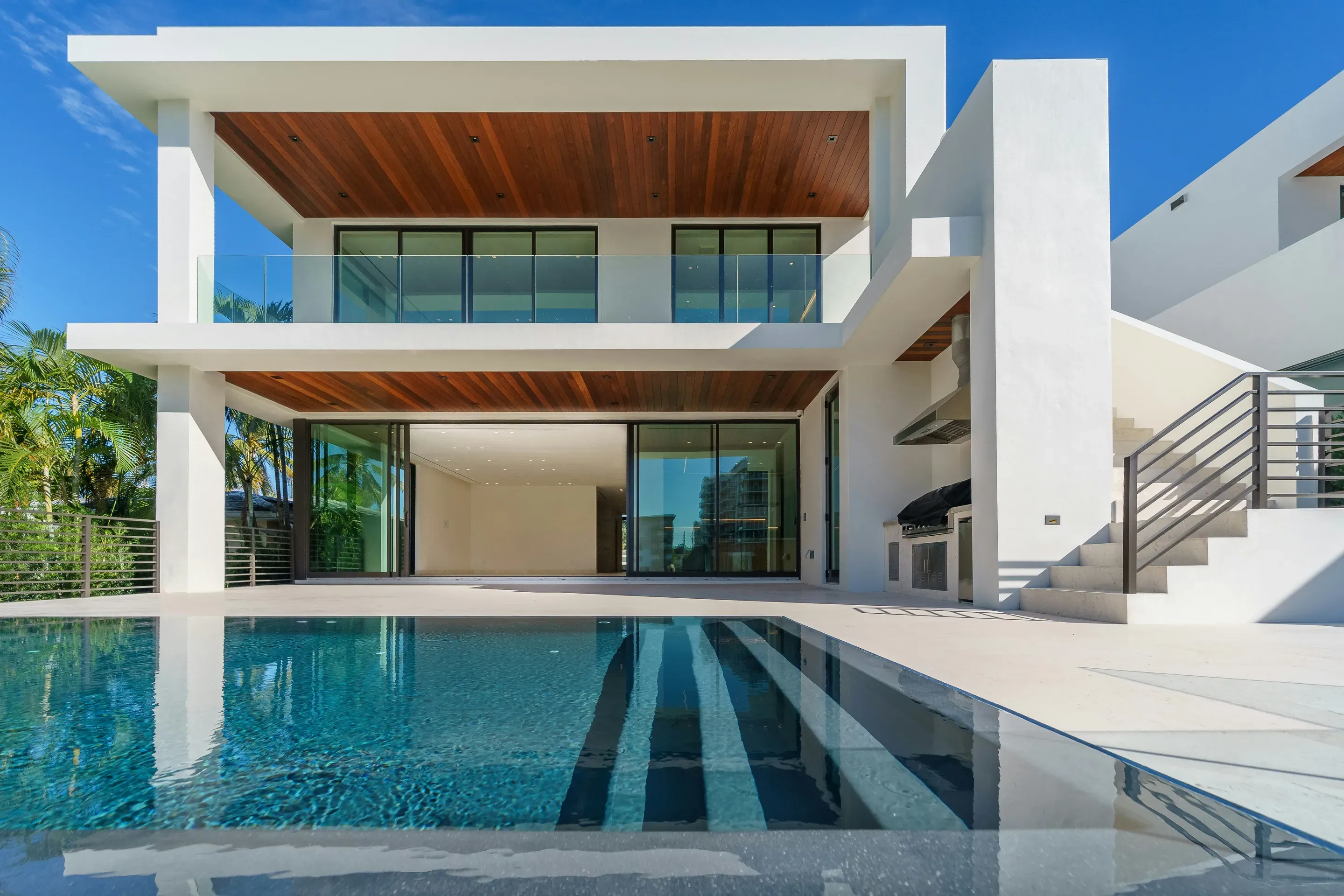
If you own a home on Amelia Island but split your year between here and somewhere else, your property security situation is different from a full-time resident's. An unoccupied home broadcasts signals that it's unoccupied: mail piling up, no lights at night, no car in the driveway, landscaping getting ragged. Reducing those signals and layering real protection over them is how seasonal residents keep their properties safe through months of absence.
The island is not a high-crime area. That's the honest starting point. But properties that clearly look vacant are targets for opportunistic theft, vandalism, and occasionally squatting. A few layers of thoughtful planning eliminate most of that exposure.
The goal: occupancy signals
The single most effective security strategy for an unoccupied home isn't a camera or an alarm. It's making the house look like someone lives there. A burglar or opportunist decides on a target in seconds based on visible signs. A house that passes the "does someone live there" test deters most casual crime before it starts.
Layered occupancy signals:
- Mail and packages collected on a consistent schedule. An overflowing mailbox is a billboard. Mail & package management handles this as a scheduled service with photo confirmation.
- Landscaping maintained. A yard that's clearly uncut or untended reads as vacant. Consistent lawn and landscape care through seasonal residents' absences is a real deterrent.
- Indoor lights on variable timers. Timer-controlled lighting that changes patterns (not just the same on/off schedule every day) mimics actual habitation.
- A car in the driveway occasionally. For properties where this is practical, occasional presence of a vehicle (even briefly) breaks the pattern of permanent vacancy.
- Regular interior activity. A weekly interior visit (by home watch or otherwise) creates visible signs of ongoing presence, from moved items to adjusted blinds to different window-visible furniture arrangements.
These low-tech signals do more work than most homeowners realize.
Physical security layer
Physical deterrents and barriers matter once occupancy signals are in place. A seasonal resident's physical security typically includes:
- High-quality deadbolts on every exterior door. Not just the front door. Side doors, garage doors, and any back or patio doors all need the same quality lock hardware.
- Impact-rated or reinforced windows on ground-floor openings. These serve double duty for hurricane protection and intrusion resistance.
- Motion-sensitive exterior lighting at every significant access point. Lights that come on when triggered, not just dusk-to-dawn floods, surprise anyone approaching.
- Secured access to any spare keys or codes. No hide-a-key rocks. No garage codes shared beyond trusted parties. Smart locks with individual guest codes (that can be revoked) replace the physical key-sharing problem.
- Gate or fence security if the property has a perimeter. Latches that can't be reached from outside, working gates, and clear sight-lines.
Electronic security layer
Modern residential security technology makes a lot possible for the distant owner. A sensible stack:
- Central monitored alarm system with sensors on all exterior doors and windows, motion detection in common areas, and smoke/CO detection integrated. Monitoring center dispatch on alarm triggers is the core value.
- Video cameras covering entries, driveway, and any vulnerable approach. Cloud recording keeps video available even if the camera is damaged. Quality matters more than quantity; one good camera well-placed beats four cheap cameras.
- Smart thermostat, smart lights, and smart locks that can all be monitored and controlled from anywhere. These also provide the variable-pattern occupancy signals mentioned above.
- Leak sensors at water heaters, washing machines, under sinks, and anywhere water could catastrophically fail. A slab leak discovered on day three is a different problem than a slab leak discovered on day ninety.
- Network security. Wi-Fi password strong, router firmware current, smart-home hub secured. A compromised home network is a security problem of its own.
The human layer
Technology does a lot. What it doesn't do is walk the property, notice what's different from last week, look at the subtle cues that suggest something is off.
For seasonal residents, this is where a home watch relationship earns its fee. Weekly visits by the same small team that knows your property create an irreplaceable layer of security that no camera system can fully replicate. A home watcher notices:
- A shift in how landscaping looks (tire tracks, trampled plants, disturbed mulch)
- Mail or flyers accumulating despite regular collection
- Any exterior evidence of attempted entry (pry marks, damaged screens, shifted window glass)
- Interior changes that the owner didn't cause (moved items, unfamiliar smells, signs of water or pest intrusion)
- Neighborhood patterns that might affect the property (ongoing construction, new traffic patterns, unfamiliar vehicles staging nearby)
A home watch relationship that's been running for a year is a known quantity for local law enforcement and the insurance carrier. Both treat a well-watched property differently than an owner-absent one.
Insurance considerations
Homeowner's insurance policies typically have requirements around occupancy. An unoccupied home (by the policy's definition) may trigger coverage exclusions or higher rates. Definitions vary between carriers and policy types.
Some important things to verify with your insurance agent:
- What occupancy classification applies to your policy given your actual pattern of use
- What the policy requires for a property to be considered adequately secured during absences (some carriers require monitored alarms, others require regular interior visits, others have specific mechanical requirements)
- Whether your policy discounts for security features like monitored alarms, leak detection, or professional home watch
- How to report a vacancy if your pattern of use changes (sale, extended travel, renovation)
A conversation with your agent before an extended absence is worth the time. Coverage surprises after a claim are the wrong time to discover a policy requirement.
Neighborhood-specific considerations
Different parts of Amelia Island have different security profiles:
- Downtown Fernandina Beach and Old Town: denser housing means more neighborhood eyes. Historic district properties sometimes have specific security considerations around window replacement.
- Fletcher Avenue and Main Beach: transient-heavy areas with vacation rental activity create a different texture. Opportunistic theft of outdoor items (beach gear, grills) is a bigger deal than serious intrusion.
- Plantation, Summer Beach, Crane Island: gated communities with private security reduce exposure meaningfully but don't eliminate it. Gated communities are not crime-free.
- American Beach and south-end residential: lower density, more tree cover, which affects both surveillance lines and approach visibility.
- Long Point and marsh-front properties: water-access considerations. Boat theft, dock damage, and shoreline approach are relevant.
Understanding your specific neighborhood's profile shapes the security mix that actually makes sense.
The honest take
For seasonal residents, home security on Amelia Island comes down to:
- Eliminate the obvious "this house is empty" signals
- Put quality physical barriers on the common entry points
- Add a layer of monitored electronic security with video and environmental sensing
- Maintain a human-scale check on the property through consistent home watch visits
- Verify insurance treats your occupancy pattern appropriately
Done right, this reduces risk to a level where the bigger threats are weather (hurricanes, major storms) and slow problems (water intrusion, HVAC failure, pest entry) rather than criminal activity. And all three of those are exactly what the same layered approach catches early.