
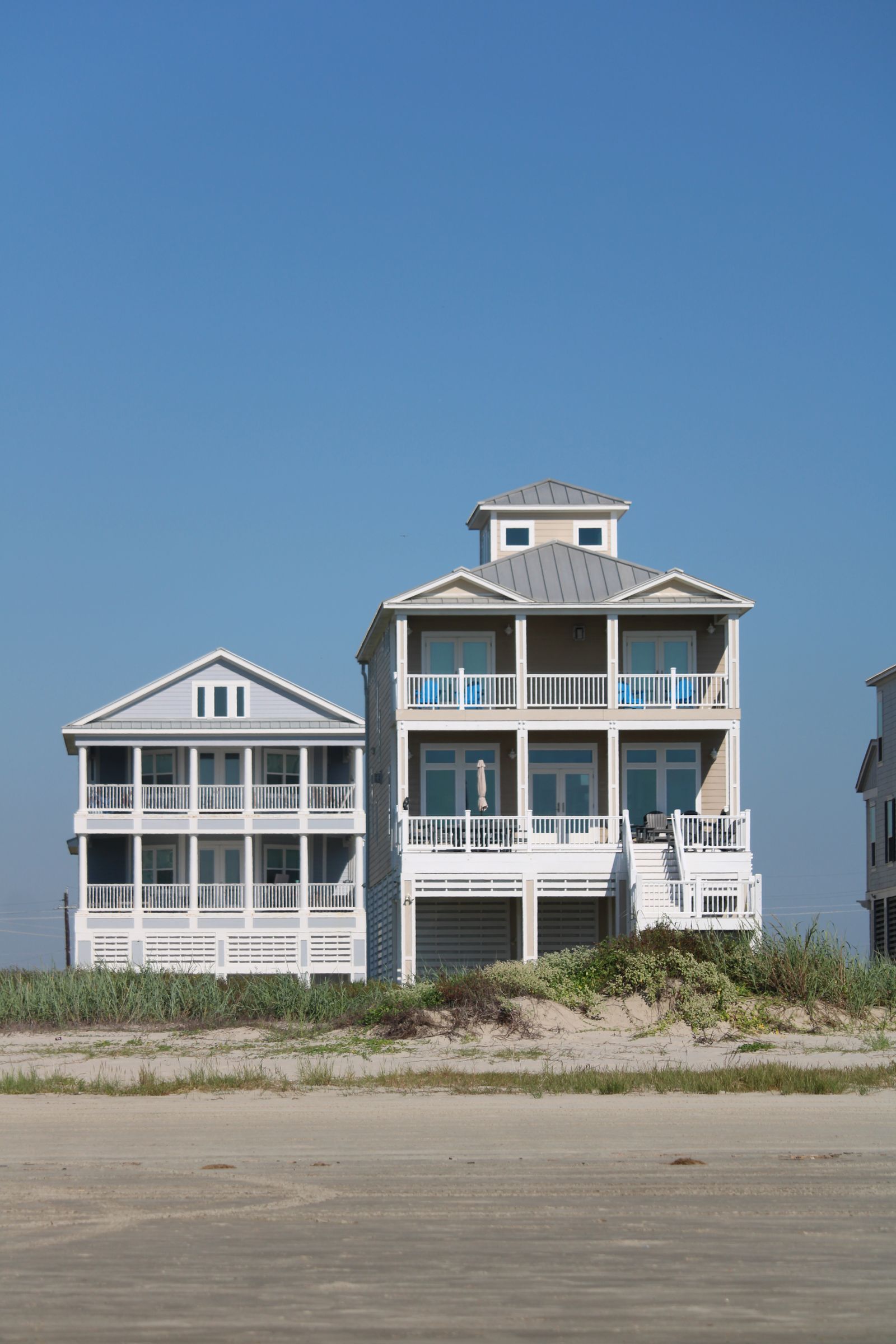
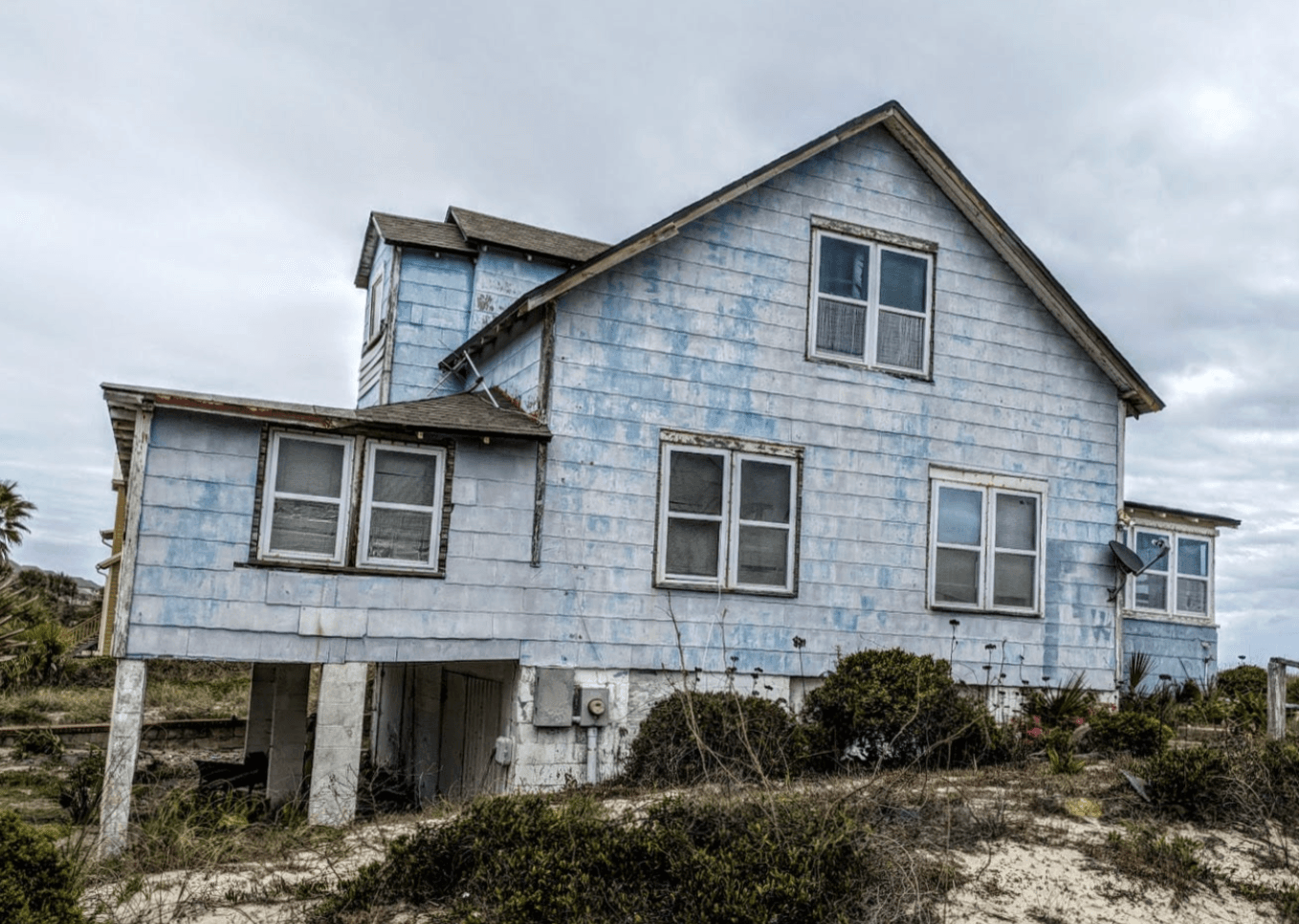
 American Beach carries more history than any other stretch of sand on Amelia Island. Founded in the 1930s as one of the few Atlantic beaches where Black families could own oceanfront property and vacation freely during segregation, it's a place where a small mid-century cottage next door to a brand-new build can each hold a piece of that story. Owning here means owning a little of that heritage, and it also means owning a house on one of the most exposed edges of the island, where the ocean doesn't care how historic the home is.
That's the case for home watch on American Beach, and it's a particular one. This isn't a uniform subdivision. It's a community where original cottages, homes from every decade since, and new oceanfront construction sit side by side, many of them owned by families who are only here part of the year. When those homes sit empty, the salt air, the storms, and the summer humidity keep working, and the mix of ages means no two houses on the block fail the same way.
This is the version we'd walk a new American Beach owner through, whether your place is a historic cottage near the dunes, a newer home a block off the water, or something in between. Start with what the ocean does out here.
One block, many ages of house, and salt on all of them
Most people think of home watch as one fixed check that's the same everywhere. American Beach is a clear argument against that. An older cottage and a new build sit on the same oceanfront block, take the same salt air, and fail in almost opposite ways.
The salt is the constant. Right on the Atlantic, salt spray and steady onshore wind reach these homes in a way they don't a few streets inland, and that air is hard on the things that keep a house running: HVAC coils corrode faster, door and window hardware pits, and metal fixtures on porches and railings take a beating. On an older cottage, the salt finds original single-pane windows, aging siding, and decades-old plumbing. On a newer home, it works on one hard-run HVAC system and modern seals behind the drywall. Layer in the humidity that a closed-up coastal house holds, where the EPA warns that unchecked moisture invites mold, plus the storm surge and wind exposure that come with an oceanfront address, and you have very different houses fighting the same coast.
A good home watch visit on American Beach is built around which house yours is. Someone walks the interior and the exterior on a regular cadence, checks for the water intrusion, humidity, pests, salt corrosion, and storm damage your specific home is prone to, leaves it locked and set, and sends you a dated photo report after every visit so you see exactly how it was left. We keep the full walk-through in what a home watch visit actually includes, and because nobody stays in the house, it isn't house sitting, a distinction we cover in home watch versus a house sitter.
The wellness check is where salt and age get caught early
The failures that matter most on American Beach are the slow ones the salt sets in motion. A window seal that finally gives on the ocean side. A corroded coil that drops the AC in July. A soft spot forming under a porch that faces the wind. None of it announces itself, and on a historic cottage especially, catching it early is the difference between a small, in-keeping repair and a rushed fix after damage sets in.
That's the job of a real home wellness check, a full inspection rather than a glance from the street. Every room, every system, every exterior wall, on the same checklist every visit: interior walked for moisture, stains, and smells; HVAC tested for how it's holding humidity against the salt air; plumbing spot-checked; the exterior looked over for drainage, roof, siding, screens, and the corrosion the ocean drives; security verified. Because the check is identical each time, the change between visits is what jumps out. And whatever's found comes to you first, with a photo and a plain-English note, so the call stays yours: fix it now, monitor it, or plan it for later.
Watching finds it, someone local has to open the door
A report tells you something's wrong. Fixing it means getting a person to the house, and on a part-year block where many neighbors are also away, that starts with someone who can actually get in.
That's what a keyholder is for. A keyholder holds a secure copy of your key and uses it on your behalf: letting the vetted contractor in the same week instead of the same season, meeting a delivery, staying while the work happens, and locking up behind everyone. It's also who answers when the alarm trips at 2 a.m., instead of a monitoring company reaching voicemail in another time zone. What a keyholder service is covers how that trust works.
Put the two together and the loop closes. Home watch finds the failed seal in week two; the keyholder gets the right person there in week two. That's the whole difference between a same-week repair and a season of damage. Watching without access is a warning you can't act on; access without watching is a key nobody's using. An American Beach home needs both.
When watching turns into managing the whole property
For some owners a weekly check and a keyholder is exactly right. For others the list grows past any single visit. The HVAC wants servicing on a cadence, the exterior needs pressure washing and salt rinsing before corrosion sets in, and there are filters, gutters, pest control, and vendors to chase. On an older cottage there's often more of it, not less. None of it is hard, and all of it is easy to drop from out of state.
That's the line where home watch becomes property management, the same eyes on the house extended into handling what they find. We build a maintenance calendar specific to your American Beach home and its age and systems, book and meet the vendors on-site, inspect the work, and keep it all in one file so nothing becomes "did we do that last year?" You approve; we execute. For an owner who'd rather not run a house they visit twice a year by phone, that's the difference between owning a second home and inheriting a second job.
Think of it as a ladder. Home watch and wellness checks are the base. A keyholder adds hands and access. Property management adds coordination and follow-through. You climb only as far as your house and your travel calendar actually need.
Coming back should feel like the beach, not a work order
The last piece is the one owners feel most and plan for least: the day you come back. Picture the two versions on American Beach.
In the first, you arrive after a long trip and open a house that's been sealed against the salt humidity at 80 degrees for a month. It's warm and stale, the AC has to claw the temperature and moisture down while you wait, the fridge is empty, and your first evening steps from the ocean is a chore list instead of a walk on the sand.
In the second, someone came through a day ahead. The AC's been running the house down since yesterday, the place has been aired out and checked, the water's confirmed on, and the fridge has the basics. You walk in, drop your bags, and you're on vacation. That's the part of concierge service owners value most once they've felt both versions, and it's the natural bookend to the watching, because the same team that kept eyes on the house all season is the one opening it for your return. Our overview of what a home concierge service does gets into the range of it.
Worth watching, worth keeping
A home on American Beach is worth more than its square footage, because it sits in a place that meant something and still does. Keeping it well while you're away isn't a longer departure checklist. It's someone local walking the house on a schedule, documenting what the salt and the seasons are doing, holding a key for the moment something needs fixing, and opening the place back up the day before you land.
If your American Beach home spends part of the year empty by the ocean, that's exactly what we do for owners here and across Amelia Island. Learn about our home watch service, or call us at (718) 644-6764 and we'll build the visits around your specific house and how you use it.