
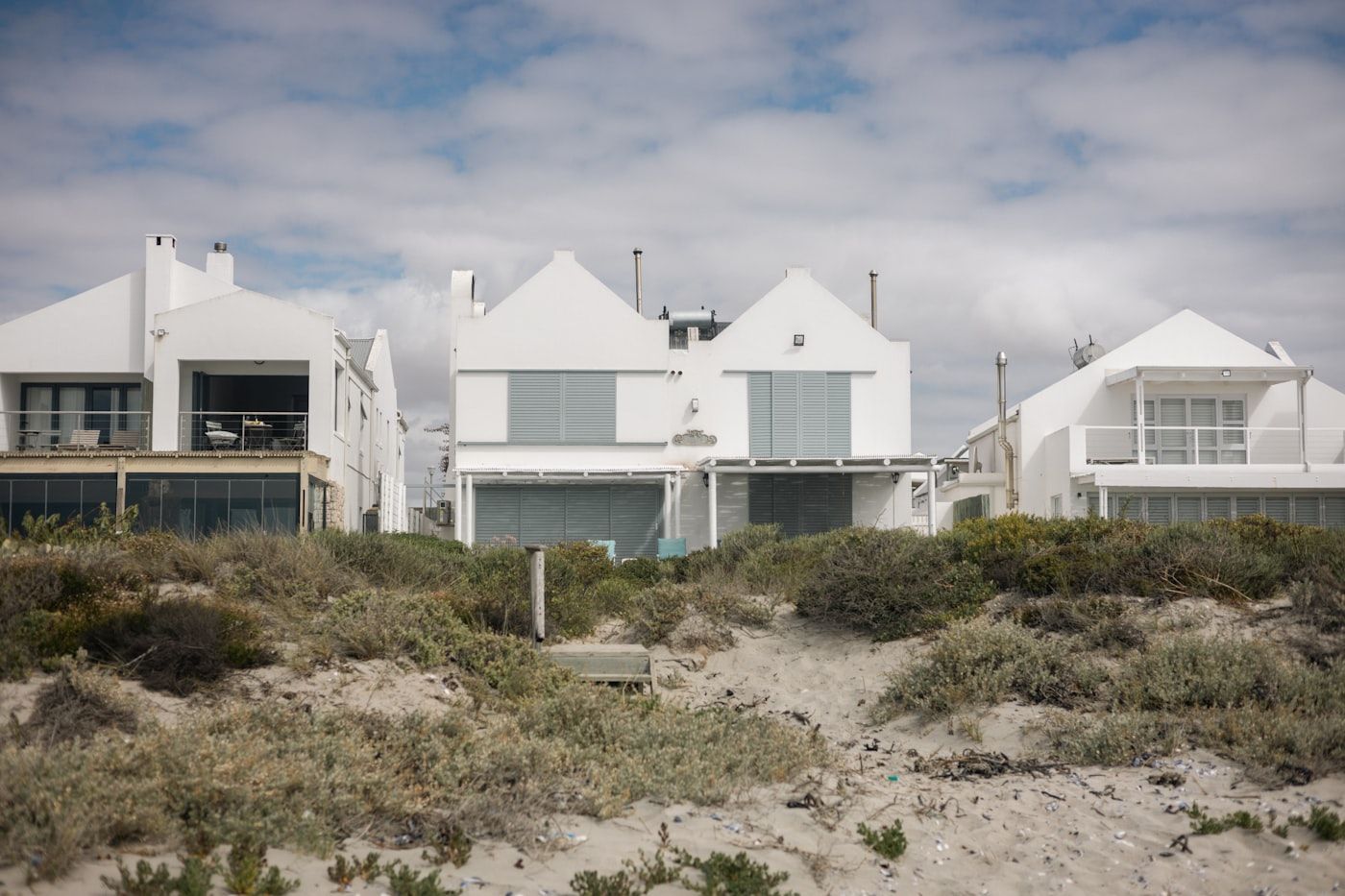
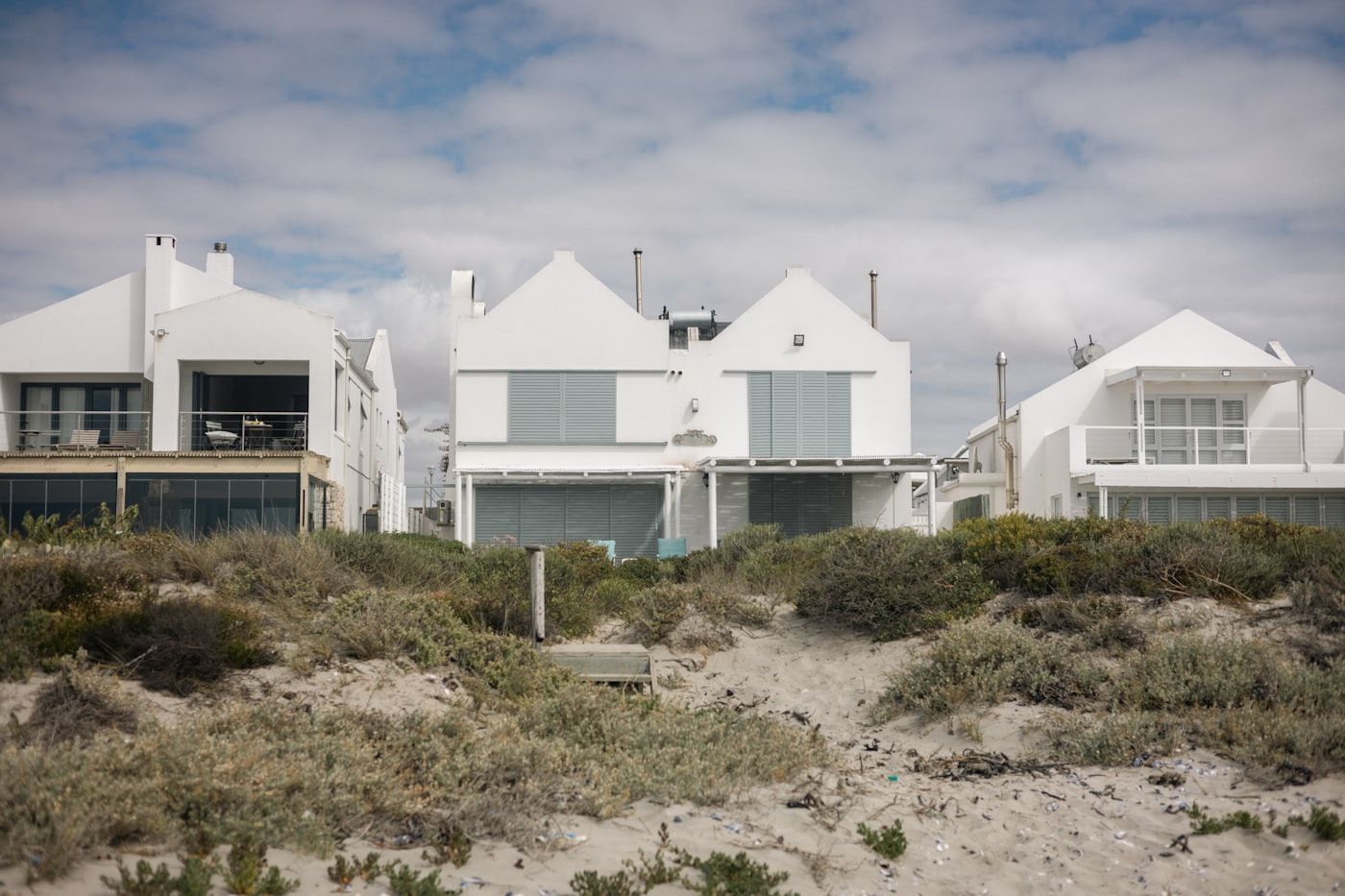
We tend to ask one question about a house we've left behind: is it secure? Are the doors locked, the alarm armed, nobody inside who shouldn't be. It's the right question, and it's only half of one. A house on Amelia Island can be perfectly secure and quietly getting sick at the same time: humidity climbing behind a locked door, an HVAC system laboring toward a failure nobody's watching, air going stale in rooms no one has opened since spring.
That's the difference between watching a home and knowing whether it's well. A home has a health the same way a body does, and a coastal home has it more than most, because the marsh humidity, the salt air, and a hurricane season that runs June through November never take the season off just because you did. This is the version we'd walk a new Fernandina Beach owner through: what home wellness actually means here, the vital signs worth reading, and why a wellness check is a different thing than a look through the window.
A house has vital signs, and the coast keeps pushing on them
Think of your home the way a doctor thinks of a patient. It isn't "fine" or "broken." It's a set of readings that sit in a healthy range when someone's living in it (running the AC, opening windows, catching the small stuff) and start to drift the moment the house goes quiet. None of that drift announces itself. It shows up weeks later on a wall, a floor, a musty-smelling closet, or an HVAC bill.
The five readings that matter most on a barrier island are humidity, indoor air, the HVAC system, moisture and water intrusion, and the building envelope that's supposed to keep the outside out. A healthy home holds all five in range. An empty one drifts on every one of them at once, and the coast is what does the pushing. Here's what each looks like when it slips.
Humidity is the vital sign everything else follows
If you read only one number in a closed-up Florida home, read this one. Amelia Island sits in high humidity for months, and a sealed house with the air conditioning set too high, or off, becomes a greenhouse. The EPA is blunt about it: keep indoor humidity down and you keep mold from ever getting a foothold. Let it climb past roughly 60 percent and you've created the exact conditions mold needs, on drywall, in closets, behind furniture pulled against an exterior wall.
Almost every other wellness problem is downstream of this one. High humidity is what turns a stale house musty, what warps a wood floor, what feeds the mildew smell you spend your first evening back chasing. That's why the single most important wellness setting in the house is a thermostat that's actually running the moisture down, which we get into in what temperature to set your AC when away in Florida and how to prevent mold in a closed-up Florida home. Reading humidity on a real cadence is the whole ballgame, because it's the reading that gives you warning before anything else goes wrong.
The air you can't see
Home wellness isn't only about the building. It's about what you breathe when you walk back in. A house that's been closed at 80 degrees for a month has stagnant air, and stagnant air in a humid climate is where mold spores and the musty volatile compounds that come off damp materials accumulate. The EPA ties indoor air quality directly to moisture and ventilation for exactly this reason. It's why the difference between a well home and a neglected one is something you can smell in the first ten seconds.
This is the reading that connects your home's health to your own. A short interior walk that airs the place out, confirms the AC is actually cycling and dehumidifying, and catches a damp spot before it becomes a colony is worth more to the air you breathe than any candle or plug-in. A wellness visit treats "how does this house smell and feel to be in" as a real data point, not an afterthought, because for the people arriving, it's the first one they notice.
The HVAC is the heart, and a coastal summer strains it
Your air conditioner is doing two jobs in a closed Florida home: holding temperature and, more importantly, pulling moisture out of the air. When it stops, both readings fail at once, and it tends to stop in the worst stretch of the year. Salt air corrodes an outdoor coil. A capacitor gives out in week six of a long summer. A clogged condensate line backs up and quietly drips into a closet. Any one of them turns your humidity control off without a sound.
A healthy HVAC system is the one vital sign that protects most of the others, so wellness means actually testing it: is it cooling, is it cycling, is it dehumidifying, is the drain line clear? Noting that the house is cool the day someone happens to stop by isn't the same thing. Keeping it in range also keeps the running cost sane, which is the overlap with energy efficiency for coastal Florida homes. A system nobody checks is a system that fails when you're a thousand miles from noticing.
Moisture, salt, and the envelope that keeps the outside out
The last reading is the shell of the house itself: the roof, the siding, the seals, the screens, the drainage. That's everything standing between a Florida summer and your living room. Water is the thing that ruins a house here, and it rarely arrives as a dramatic flood. It's a seal failing on a window nobody's looking at, a slow drip behind the drywall, a gutter overflowing against a foundation, salt working on east-facing walls all season long.
The envelope is where a small problem gets the most room to become a large one, because so much of it is out of sight until it reaches a surface you can see. That's why a real wellness read walks the exterior every visit (drainage, roof, siding, screens, salt wear) instead of trusting that a house that looked fine in May is fine in August. Catching intrusion at the seal is a caulk gun. Catching it at the drywall is a remediation and a flooring bill.
A wellness check reads all of it, on the same page every visit
Here's what pulls those five readings together into something you can actually act on. A home wellness check is a full inspection, not a drive-by: every room walked for moisture, stains, and smells; the HVAC tested for how it's cooling and holding humidity; plumbing spot-checked; the exterior looked over for drainage, roof, siding, screens, and salt wear; security verified. Same checklist, every visit, and that consistency is the point, because it's what makes the small deltas between visits visible instead of getting lost to memory.
The other half is that you see it. Everything flagged comes to you with a photo and a plain-English note the same day, so the call stays yours: fix it now, monitor it, or plan it into a future visit. Nothing gets dispatched without your say-so. It's the difference between guessing how your house is doing and knowing, on a schedule, with a dated record you could hand an insurer if a vacancy question ever comes up.
Wellness versus watching: they're not the same job
It's worth being precise, because owners understandably blur the two. Home watch is the scheduled, documented walk-through that asks is anything wrong: water, storm damage, break-ins, the AC that's clearly stopped. It's the security-and-catch layer, and what a home watch visit includes covers it in full. A wellness check goes a layer deeper and asks is this house healthy, reading the vital signs that haven't failed yet but are drifting, so you're managing trends instead of only reacting to failures.
Most owners want both, and in practice they run together: the same local person walking your home reads the vital signs and catches the acute problem in one visit. Watching tells you the roof is leaking today. Wellness tells you the humidity's been creeping for three weeks and the coil's on its way out. Those are the problems you'd much rather hear about before they're emergencies. When the list grows past any single visit (HVAC on a cadence, moisture management, vendors to schedule and chase), that's the point where it becomes property management, the same eyes on the house extended into handling what they find.
Coming home to a house that's well
There's a version of arriving where you open a house that's been sealed at 80 degrees, it's warm and stale, the AC has to claw the temperature and moisture down while you wait, and your first evening is a chore list. And there's the version where someone came through ahead of you, the house has been aired and running, the readings are all in range, and you walk in and you're just home. That second version is what a season of wellness checks buys, and it's the natural bookend to the concierge side of getting a house ready for your return.
The best thing about an Amelia Island home is that it should feel good to walk into: not just secure, but well. That isn't a longer departure checklist. It's someone local reading your home's vital signs on a schedule, documenting what the coast is doing to it, and catching the drift while it's still small. If your Fernandina Beach or Amelia Island home spends part of the year empty, that's exactly what we do for owners across the island. Learn about our home wellness checks, see how we watch homes in Fernandina Beach, or call us at (718) 644-6764 and we'll build the visits around your specific house and how you use it.