
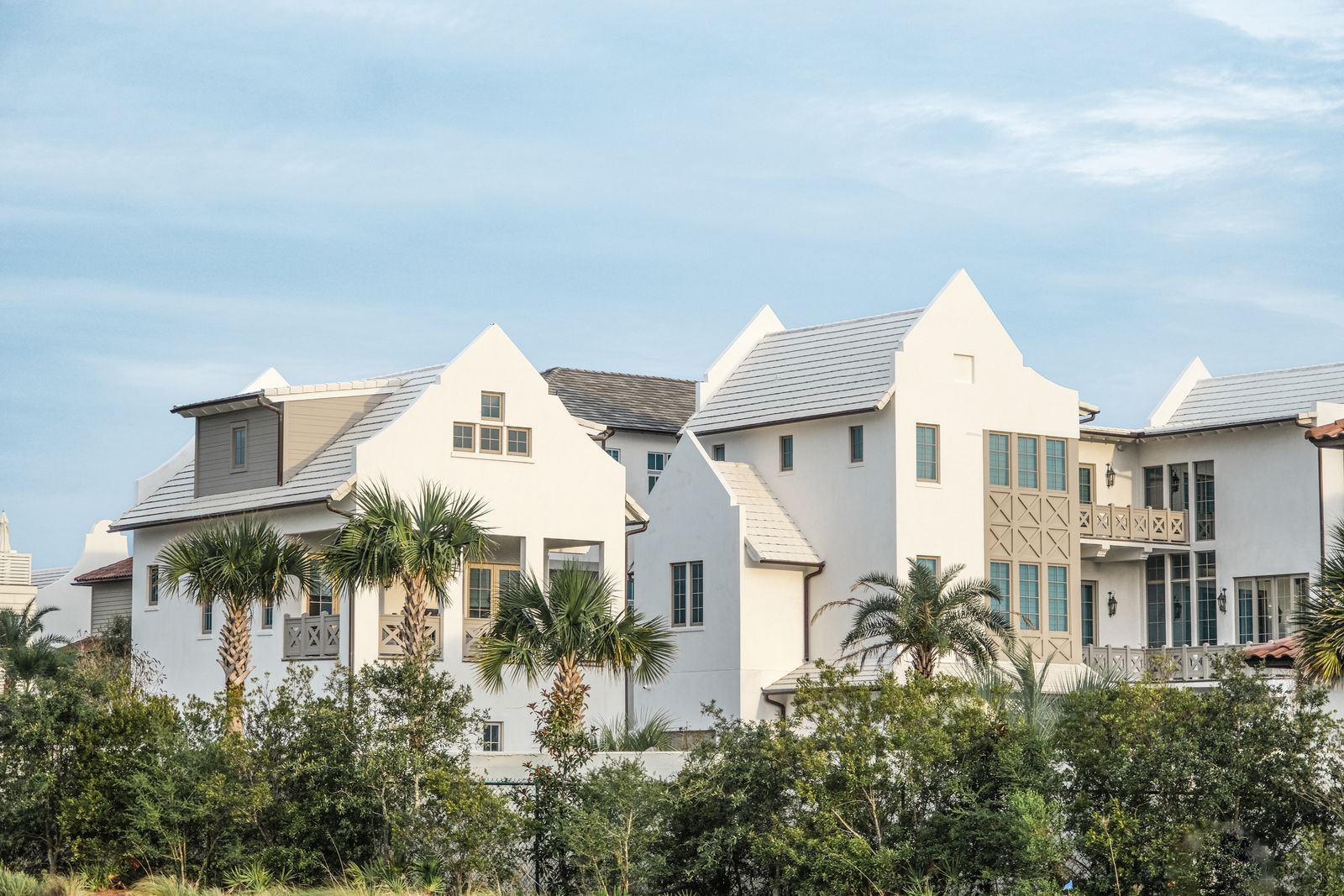
Picture a just-finished house on Crane Island that nobody's living in yet. The build is done, the furniture isn't, and the real move down is still a year of loose ends away. So for months the newest thing you own sits behind the gate, dark and locked, on the marsh side of Amelia Island. The last time you drive off the island, you do the thing every part-year owner eventually does: you sit at the gate a second too long, looking back, wondering who'd notice if something went wrong before you came back.
That question is the whole reason home watch on Crane Island exists, and it's a sharper question here than almost anywhere else on the island. Crane Island isn't a downtown block where a full-time neighbor spots your open garage. It's a gated, low-density community wrapped in marsh and water, full of newer homes owned by people who, like the Barretts, are only here part of the year. A house here can sit quiet for weeks with no one walking past it. When something starts to go wrong, there's often nobody around to catch the first sign of it.
This is the version we'd walk a new Crane Island owner through, whether your place is a finished second home you use a few months a year or a brand-new build you haven't moved into yet. The setting drives everything, so start there.
What makes a Crane Island home different to watch
Most people picture home watch as a generic Florida service, the same check whether the house sits downtown in Fernandina Beach or out on the marsh. It isn't. The point of home watch is to catch the specific ways a specific house fails while it's empty, and a Crane Island house fails in ways a century-old cottage near Centre Street never will.
Start with the marsh. Crane Island is bordered by marsh and water on its western edge, and that setting is humid year-round. A closed-up house on the marsh works its HVAC hard to hold moisture down, and the EPA is blunt about what happens when it doesn't: keep indoor humidity in check and you keep mold from getting a foothold. The same marsh pushes pests and wildlife toward any home that's dark and still, and the low-lying, waterfront lots carry real storm and flooding exposure from June through November. Add salt air working on the exterior the whole time, and you have a house under steady, quiet pressure with no one inside to notice the first stain or the first musty smell.
Then there's the part that surprises people: the gate. Crane Island's low-density, gated setting is exactly why the homes here need watching more, not less. Privacy cuts both ways. Few neighbors are around to notice a limb through a screen or a puddle spreading under a door, and the trouble that gets caught fast on a busy street can run for weeks out here. That's the gap a scheduled visit fills. Someone walks the interior and the exterior on a regular cadence, looks for the specific failures a marshfront home is prone to, and sends you a dated photo report after every visit so you're never guessing from out of town. We keep a full account of what that walk covers in what a home watch visit actually includes.
The builder-warranty window is a clock, and it's running
Here's the thing that's almost unique to Crane Island: a lot of these homes are new. New construction settles, and its systems break in, and the first few years are when a house tells you what the builder got slightly wrong. A drip under a sink that was never quite tightened. A hairline gap opening at a caulk line. An HVAC condensate drain that isn't clearing the way it should. On an occupied house you'd notice those in a week. On an empty new build, they compound in silence.
The reason that matters in dollars is the warranty. Catching a settling crack or a slow leak inside the builder's warranty window is often the difference between a phone call and a bill. Miss it, and the same problem surfaces after the window closes as a repair you now own. This is where a real home wellness check earns its place. It isn't a drive-by. It's a full interior-and-exterior inspection on a consistent checklist, every room, every system, every exterior wall, so the small deltas that a new house throws off get noticed while they're still small and still someone else's responsibility to fix. Everything flagged comes with a photo and a plain-English note, and nothing gets dispatched without your say-so.
That consistency is the quiet superpower of watching a new home. Because the checklist is the same every visit, the change between visits is what stands out. A stain that wasn't there last week. A humidity reading creeping the wrong way. A drain that ran clear in May and doesn't in July. On a house you're not living in, that trend line is the only early-warning system you've got.
Watching is only half of it, someone has to open the gate
A report tells you something's wrong. It doesn't fix it. And on Crane Island, "fixing it" starts with a problem most owners don't think about until it's 9 p.m. and the alarm company is calling a number that goes to voicemail in another state: someone has to actually get through the gate and into the house.
That's what a keyholder is for. A keyholder holds a secure copy of your key and gate access and uses it on your behalf while you're away, letting in the HVAC tech or the plumber the same week instead of the same season, meeting a delivery, and answering the alarm when it trips at 2 a.m. A monitoring system that dials an owner five states away and gets a voicemail doesn't do much on a gated island where the responder can't even reach the driveway. A named local keyholder does. If you want the full picture of how that trust works, from vetting to who's actually accountable, what a keyholder service is lays it out.
Pair the two and the loop closes. Home watch finds the slow leak in week two; the keyholder meets the plumber in week two. That's the whole difference between a mop-and-a-fan repair and an October mold remediation. Watching without access is a warning you can't act on from a thousand miles away. Access without watching is a key nobody's using. Crane Island homes need both.
When watching turns into managing the whole house
For some owners, a weekly check and a keyholder is exactly the right amount. For others, especially the ones who own a new build they're not living in yet, the list of things the house needs quietly grows past what any single visit covers. The HVAC wants servicing on a schedule. The exterior needs pressure washing before the marsh mildew sets in. Filters, gutters, pest control, an irrigation check, a vendor who ghosted and needs chasing. None of it is hard. All of it is easy to drop when you're managing it by phone from Charlotte.
That's the line where home watch becomes property management. It's the same eyes on the house, extended into actually handling what those eyes find: building a maintenance calendar specific to your home and its systems, booking and meeting the vendors on-site, inspecting the work, and keeping it all in one file so nothing becomes "did we do that last year?" You approve; we execute. For a Crane Island owner who'd rather not be the general contractor for a house they visit twice a year, that's the difference between owning a second home and having a second job.
The honest way to think about it is a ladder. Home watch and wellness checks are the base, the eyes and the documented inspection. A keyholder adds hands and access. Property management adds coordination and follow-through. You climb only as far up as your house and your travel calendar actually require, and you can add rungs as the empty stretches get longer.
Coming back to the marsh should feel like arriving, not opening
The last piece is the one owners feel the most and plan for the least: the day you come back. Picture the two versions of it on Crane Island.
In the first, you drive through the gate after a long haul, and you open a house that's been sealed at 80 degrees in the marsh humidity for a month. It's warm and a little stale. The AC has to claw the temperature and moisture down over the next several hours while you wait. The fridge is empty, and the nearest grocery run is back off the island. Your first evening home is a chore list instead of a sunset over the marsh.
In the second, someone came through a day ahead. The AC's been running the house down to a comfortable temperature since yesterday, the place has been aired out and checked, the water's confirmed on, and the fridge has the basics for the first morning. You walk in, drop your bags, and you're home. That's the part of concierge service that Crane Island owners value most once they've felt both versions, and it's the natural bookend to the watching, because the same team that kept eyes on the house all season is the one opening it for your return. Our overview of what a home concierge service does gets into the range of it, from seasonal opens and closes to getting the house ready before guests arrive.
Back at the gate
That second look back from the gate is really a question: is the house going to be okay while I'm gone, and will anyone notice if it isn't? On Crane Island, where the homes are new, the marsh is humid, and the neighbors are few, the answer isn't a longer checklist you run on your way out. It's someone local walking the house on a schedule, documenting what they see, holding a key for when something needs fixing, and opening the place back up the day before you land.
If your Crane Island home sits quiet for weeks or months at a time, that's exactly what we do for owners across the island. Learn about home watch on Crane Island, or call us at (718) 644-6764 and we'll build a plan around your specific house and your travel calendar.