
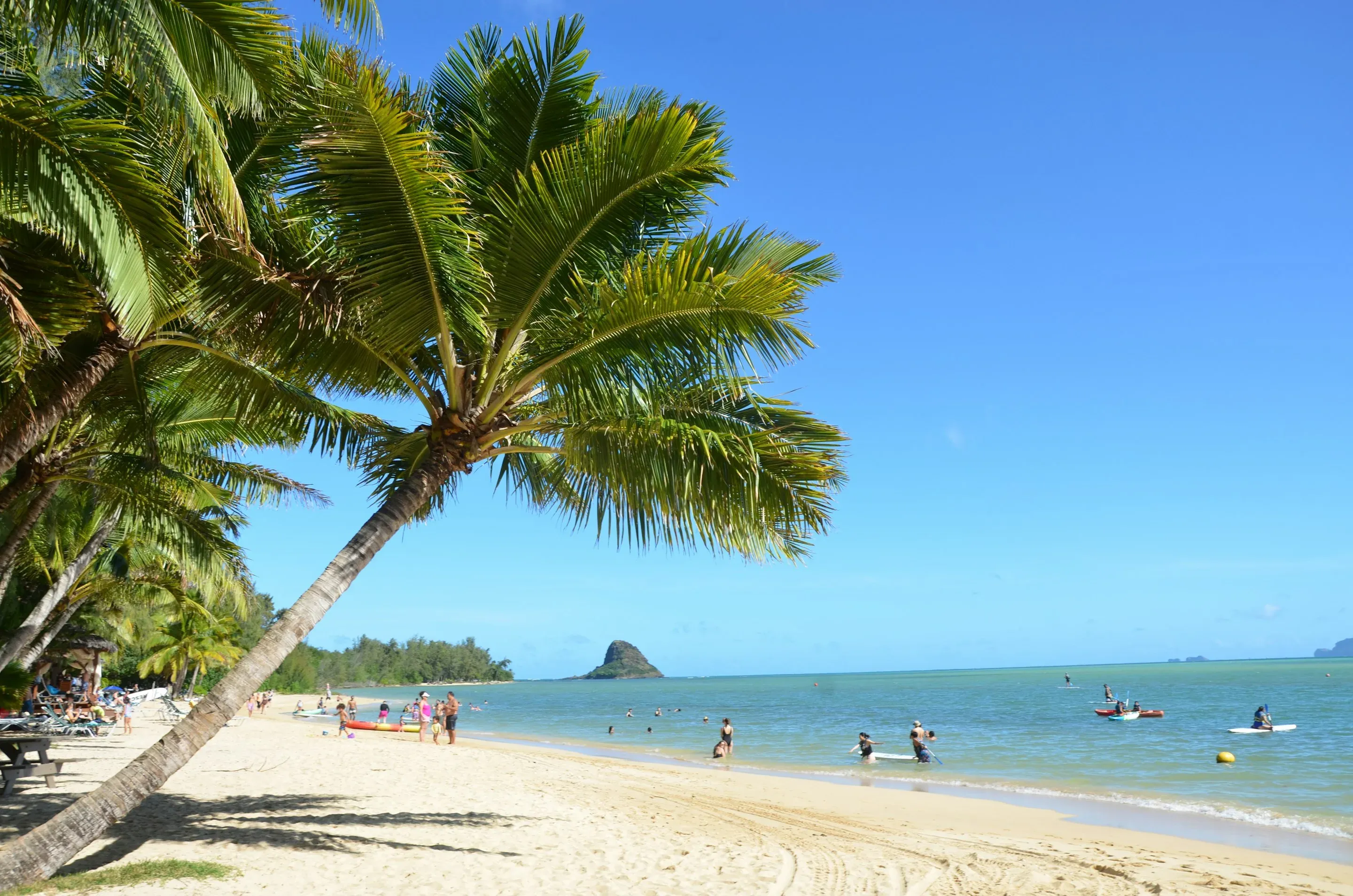
If you're thinking about retiring on Amelia Island, the short version is that the math works for a lot of retirees. No state income tax, no tax on Social Security, a homestead exemption that meaningfully reduces property tax, a walkable downtown that doesn't require a car for everything, top-tier healthcare within a 45-minute drive, and an island small enough to feel like a real community without being isolated. That combination is harder to find than it sounds.
The longer version involves some honest trade-offs. Insurance is expensive. Summers are hot. Hurricane season requires planning. And the cost of living has moved up significantly over the past decade. This is the full picture for retirees seriously considering the move.
The tax picture
Florida has no state income tax. That's the headline, and it's a real benefit for retirees drawing on taxable retirement accounts, pensions, and investment income. Compared to states with state income tax on retirement distributions, the savings can be substantial over a multi-decade retirement.
Social Security benefits aren't taxed at the state level in Florida. That's another meaningful difference from many higher-tax states.
Property tax, handled through the homestead exemption, is the other major variable. Qualifying full-time residents get up to $50,000 off assessed value under Florida law plus the Save Our Homes cap limiting annual assessment increases. Over a retirement lasting 15 to 25 years, the compounding benefit of Save Our Homes in a rising market is significant. Read the Nassau County property tax guide for the details.
Florida has no estate tax. For retirees with meaningful estates, this is not a small matter.
Healthcare access is genuinely good
Amelia Island has Baptist Medical Center Nassau on-island for emergency and most primary care. For specialty care, the Jacksonville medical corridor is within the 45-to-60-minute drive, and Jacksonville happens to house one of the country's top-tier medical systems: Mayo Clinic's Jacksonville campus is a national-destination facility for complex and specialty care.
For retirees with specific medical considerations (cardiac, oncology, orthopedic, neurological), Mayo and the other Jacksonville systems bring a level of care that many coastal retirement destinations can't match. That's one of the single biggest practical advantages of retiring to Amelia Island versus retiring to smaller or more isolated Florida communities.
Routine care on the island itself is well-served. Dentists, ophthalmologists, physical therapy, primary care, home health, and geriatric specialists all have presence on the island. Routine pharmacy and medical supply is equally accessible.
The lifestyle fit
Amelia Island delivers a specific retirement lifestyle. Walkable historic downtown, beach access within a ten-minute drive from nearly anywhere on the island, multiple golf courses, active tennis and pickleball communities, a community of part-time and full-time residents who tend to be social and engaged, and a scale small enough that people actually know their neighbors.
For retirees coming from larger metro areas, the adjustment usually involves accepting that the island moves at a different pace. That's either the point or the problem, depending on the retiree. For those who wanted to slow down, it fits. For those who need constant urban energy, it doesn't.
Comparing against other Florida retirement destinations
Amelia Island is not the cheapest Florida retirement destination. It's genuinely more expensive than many central Florida and inland Florida retirement communities, and the difference is real.
What Amelia Island offers that the cheaper options typically don't:
- Walkable historic downtown (most Florida retirement communities are car-dependent)
- Direct Atlantic beach access without the density of South Florida
- Access to Mayo Clinic and the Jacksonville medical corridor
- Smaller community scale with actual neighborhood identity
- Direct flight access through JAX (Jacksonville International) with a 45-minute drive
What Amelia Island doesn't offer that some alternatives do:
- Lower insurance costs (central and inland Florida run significantly lower)
- Lower property costs (many inland communities are materially cheaper)
- Massive 55+ amenity communities (The Villages style)
- Year-round heat that some retirees specifically want (the island has genuine seasonal variation)
For retirees evaluating Amelia Island against Naples, Sarasota, Vero Beach, or The Villages, the trade-offs are real. The honest question is which trade-offs match your priorities.
The neighborhoods that fit
Retirement fit varies by neighborhood. A brief orientation:
- Downtown Fernandina Beach and Old Town: walkable, historic, active community, smaller lots, older homes. Strong fit for retirees who want to walk to dinner and not drive for daily needs.
- Amelia Island Plantation: gated, resort-adjacent, golf-focused, lots of part-time and seasonal residents. Strong fit for retirees who want community-managed infrastructure and turnkey living.
- Summer Beach: oceanfront condos and homes, resort-adjacent, maintenance simplified for condo owners. Fit for oceanfront-focused retirees.
- Long Point and Crane Island: quieter, wooded, marsh-facing. Fit for retirees who prefer natural settings and less tourism traffic.
Read the best neighborhoods guide for a deeper breakdown.
The cost of getting it wrong
Retiring to the wrong place in Florida is expensive in both money and quality of life. A few things that tend to go wrong for retirees on Amelia Island:
- Underestimating insurance. Homeowner's, flood, and wind coverage on a barrier-island Florida property is expensive and rising. Factor it into the retirement budget accurately.
- Buying oceanfront without understanding the maintenance. Salt air, storm exposure, and the reality of oceanfront upkeep are real. Read the salt air damage guide.
- Skipping the homestead exemption. Full-time retirees who don't file homestead by March 1 miss a year of tax savings.
- Assuming the summer heat will be tolerable. Florida summers are legitimately hot. Anyone who has never lived through one should visit in July before committing.
- Choosing a home without a long-term maintenance plan. An 80-year-old retiree cannot climb a ladder to clear gutters. A long-term plan for handling physical maintenance (either through service contracts or a property management relationship) should be in place before the need arises.
The quiet pleasures
What makes retirement on Amelia Island actually work for most retirees aren't the marquee items (the taxes, the medical care, the beaches). They're the quiet things. Morning coffee on the porch as the neighbors walk by. A standing tee time at a course you know every foot of. The same dozen restaurants you rotate through, knowing what each one does best. Grandkids who come to visit because the beach is right there. A community of other retirees who remember your name and ask about your week.
Those things are what the island actually offers in retirement. The tax math makes the move possible. The medical access makes it sustainable. The scale of the place makes it livable. And the lifestyle is what makes it home.