
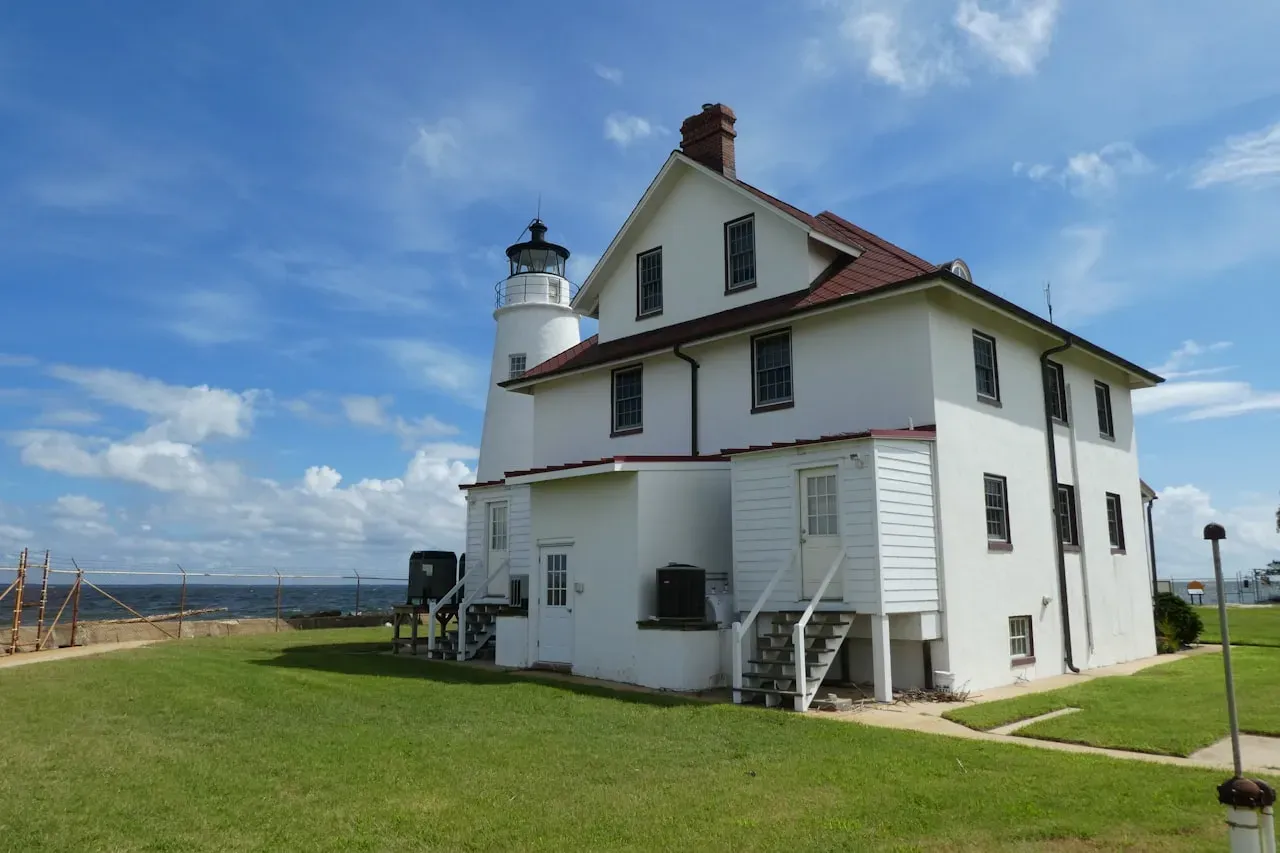
If you're budgeting for a move to Amelia Island, the national cost-of-living calculators don't quite work. Thirteen miles of barrier island, two incorporated cities, a tourism economy that sets local pricing, and a property insurance picture that costs significantly more than comparable inland homes. Those variables push the real numbers away from the averages.
This is the honest breakdown of monthly costs for someone actually living here. Your exact numbers will vary based on neighborhood, property size, and lifestyle, but the relative proportions and the order of magnitude hold.
Housing is the biggest variable
Median home prices on Amelia Island have moved up significantly over the past several years. The range across the island is wide: downtown historic cottages, oceanfront single-family homes on Fletcher Avenue, Plantation condos, and marsh-front properties in Long Point or Crane Island all sit at different price tiers. Oceanfront and water-access commands a real premium.
Rent runs high for a town of this size because of demand and because long-term rental supply is constrained by short-term-rental activity. Year-round rentals exist but compete against vacation-rental economics, which pushes pricing up. Anyone planning to rent first before buying should expect higher monthly rent than equivalent space in a mainland Jacksonville neighborhood.
Property taxes and the homestead exemption
Nassau County's property tax picture runs a little differently depending on where inside the county a property sits. Within Fernandina Beach city limits, the effective millage is higher because of the municipal add-on. Outside city limits in unincorporated Nassau County, the rate is lower.
Florida's homestead exemption meaningfully reduces the tax bill for full-time primary residents. Qualifying homesteads get an exemption on assessed value (up to $50,000 total under Florida law), plus the Save Our Homes amendment caps annual assessment increases at 3 percent or CPI, whichever is lower. The exemption must be filed by March 1 of the year it's being claimed and is processed through the Nassau County Property Appraiser.
Non-homestead properties (second homes, rentals) don't get the Save Our Homes cap and see assessments rise more freely. For buyers planning to convert a second home to a primary residence later, the tax math shifts significantly once homestead status is granted. Read the Nassau County property tax guide for the full breakdown.
Insurance is the line item that surprises people
Homeowner's insurance on a barrier-island Florida property costs substantially more than comparable coverage inland, and premiums have increased year over year across the state. The reasons aren't mysterious: hurricane risk, litigation environment, rising reinsurance costs, and the reality of insuring homes exposed to salt air and storm surge.
Three separate policies typically apply to an island property:
- Standard homeowner's: dwelling, contents, liability. Excludes flood.
- Flood insurance: separate NFIP policy or private-market equivalent. Most island properties are in flood zones AE or VE and will need this. Read the flood insurance guide for zones, deductibles, and the 30-day waiting period.
- Wind coverage: often bundled into homeowner's in Florida, sometimes with a separate hurricane deductible. The deductible structure matters; a 2 percent wind deductible on a higher-value home is real money out of pocket before the carrier starts paying.
Budgeting for insurance on Amelia Island should reflect the statewide upward pressure on premiums. Policies that cost $X this year will likely cost more next year. That's true for most of coastal Florida.
Utilities, HVAC, and electric
The big utility variable is electric. Amelia Island summers run hot and humid from roughly May through September, and HVAC is the biggest chunk of the electric bill. Older homes with less insulation, inefficient systems, or both will run electric bills that surprise northern transplants. Newer construction and well-maintained HVAC systems perform much better.
Water and sewer are municipal and relatively standard. Internet is available through cable and fiber (depending on the neighborhood), with speeds and pricing comparable to other small Southeast towns. Natural gas is limited in places; many island homes run propane for supplemental needs.
Expect to pay more for electric in summer than in winter, and expect your first full year's electric bills to be higher than the online averages for Florida as a whole.
Groceries, dining, and day-to-day
Grocery pricing on the island runs slightly above the regional average because of transportation, demand, and the tourism market. Publix and Winn-Dixie serve most day-to-day grocery needs. Costco and larger-format warehouse shopping require a trip to the mainland.
Dining out is a real budget line because the island's restaurant scene is genuinely good. Casual spots run standard pricing; the better restaurants on Centre Street and at the resorts run Ritz/Omni pricing and don't apologize for it. Buying local seafood (shrimp, fish from dockside sources) is cost-effective when it's in season.
Day-to-day services (haircuts, auto, pet care, medical copays) run slightly above the regional average but not dramatically so. Local professionals price at a level that reflects the tourism economy.
The mainland adjustment
One meaningful cost category that's easy to miss: the trips to the mainland. Costco, larger hardware stores, specialty medical, larger-format retail, and entertainment options all require a drive off the island. The drive itself isn't long, but the frequency adds up. Fuel, time, and wear-and-tear on the vehicle should be factored into the monthly budget if your lifestyle involves regular mainland runs.
Taxes you won't pay
Florida has no state income tax. No tax on Social Security. No estate tax. For retirees and higher-income households, these absences represent real annual savings that offset some of the higher line items above. That's part of why the retirement math on Amelia Island works for a lot of people even at the higher insurance and housing costs. Read the retiring on Amelia Island guide for the full picture.
The honest number
There's no single monthly cost-of-living number that's accurate for Amelia Island. A retiree couple homesteading a moderate-priced single-family home in Old Town lives a very different financial life from a working family in a new build in the Plantation or a second-home owner keeping a Fletcher Avenue property ready year-round. The honest approach is to build a budget from the individual line items (mortgage or rent, taxes, all three insurance policies, utilities, groceries, dining, services, transportation) and run the numbers for your specific situation.
That budget, honestly put together, is the right answer. The island rewards buyers and renters who did that math before they arrived.