
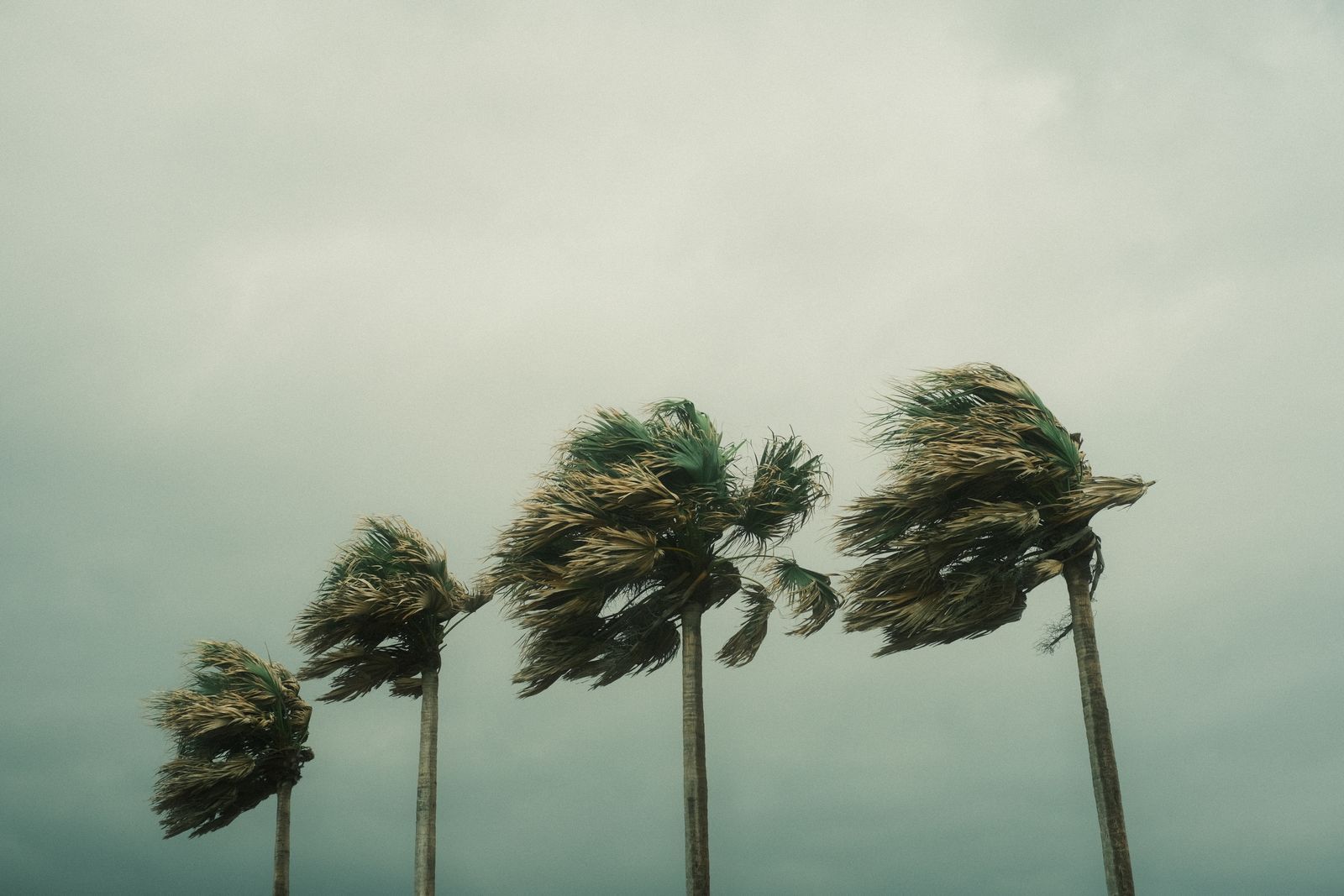
When the first serious cone of the season points at Northeast Florida, Amelia Island is on the short list of places asked to leave before almost anywhere else. That isn't bad luck. It's geography. The island is a barrier island, which is exactly what makes it worth owning, and exactly why it evacuates first and evacuates fast.
Evacuation is its own discipline, separate from the general storm checklist. Securing a house for a wind event is one job. Getting off a barrier island ahead of one, or getting someone to the house when you can't, is another. Here's the short version: know your zone, respect the bridge, and have a plan for the house whether you're the one locking it up or you're five states away when the order comes. (For securing the property across the whole season, see our hurricane season preparation guide; this one is only about leaving.)
Know your zone before the season
The most useful thing you can do sits entirely in the calm part of the year: find out which evacuation zone your house is in, and write it down.
Nassau County runs eleven zones, A through K, and they don't leave all at once. Zone A is the beaches and lowest ground; Zone B covers downtown and South Fernandina Beach; Zone C covers central Fernandina Beach. The whole of Amelia Island is treated as a Category 1 evacuation area, the category ordered out earliest, often while a storm is still days offshore and the sky over the island is a perfectly ordinary blue. That timing catches people. A barrier-island order isn't a reaction to weather you can see; it's a decision made well ahead of it, because the ways off the island are limited and they fill up. Look your zone up now and the order becomes a simple instruction: my zone was called, so I go. Nassau County Emergency Management publishes the zone maps, and the Emergency Operations Center is reachable at (904) 548-0900.
The bridge is the clock
Here's the fact that makes island evacuation its own discipline: the way off is a bridge, and the bridge has a deadline.
Amelia Island connects to the mainland on its west side over the Shave Bridge, carrying State Road 200 / A1A toward I-95. When a storm closes in, that bridge is closed to traffic once sustained winds reach about 45 miles per hour, because a high span over open water stops being safe well before the storm itself arrives. Once it's closed, it's closed. Whatever state your house is in at that moment is the state it rides out the storm in.
So the real rule is to leave on the voluntary order, not the mandatory one. By the time it's mandatory, the roads are carrying everyone who waited and gas stations are running dry. Keep the tank above half through hurricane season, plan one car per household, and treat SR 200 west to I-95 as the route out.
Leaving the house behind, fast
You usually won't get a long runway, so know the version of securing the house that fits the time you have. The high-value moves, in order: shut off the main water supply so a line that fails during the storm isn't flooding an empty house; bring in or tie down anything the wind can lift; get shutters or panels up over the glass; move valuables up off the floor; unplug electronics against a surge; and take a slow video walk through the house and exterior before you go, because that timestamped footage is what an insurance adjuster will want later. If the power holds, leave the house sealed with the AC set to hold humidity down rather than switched off.
When you can't get to the island, because you're not on it
This is the situation this guide is really written for. The storm is three days out, your house is in Zone A or B, and you're in Ohio. There's no version of you that reaches the driveway before the bridge closes. The house has to be evacuated by someone who's already here.
That's where a local presence becomes the whole plan. Someone has to be the evacuation on your behalf: get to the property while the roads are open, bring in the furniture, put up the shutters, shut off the water, and send you photos confirming the house is closed up before they leave the island themselves. That's exactly what a keyholder and our hurricane preparation service do together, a named local contact with a secure key who can act in the narrow window between "a storm is coming" and "the bridge is closed." A monitoring company that dials a homeowner five states away and reaches voicemail does nothing in that window. And it doesn't end when the storm passes: the same coverage walks your property the moment the island reopens and sends a documented damage report, days before you could fly in to see it yourself.
If your Fernandina Beach home spends part of the year empty, or you can't count on being here when the next order comes, that's exactly what we do for owners across Amelia Island. Learn about our hurricane preparation service, or call us at (718) 644-6764 and we'll build a storm plan around your house, your zone, and how far away you are when the season turns.